
Transfer of power - Jan. 13
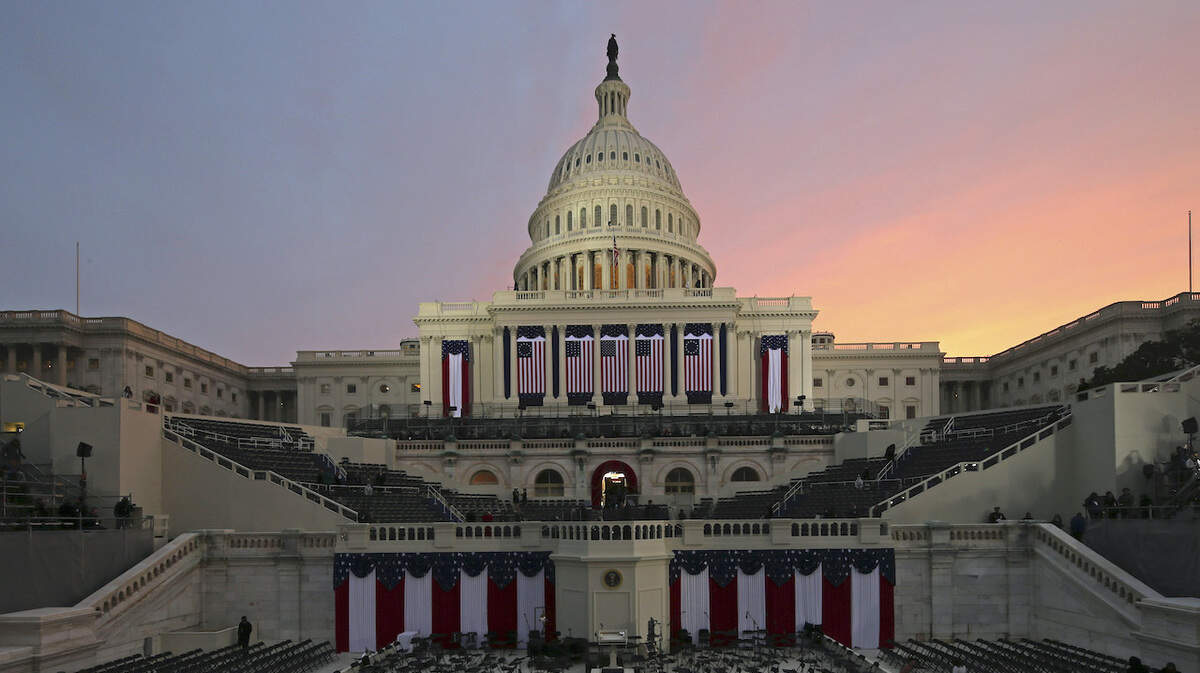
Welcome to the Transfer of Power newsletter. There are 7 days until Joseph Robinette Biden Jr. is sworn in as the 46th president of the United States.
Here are some key developments in the U.S. Congress and the White House before Jan. 20, the day the U.S. Constitution says all presidential power must transfer to the president-elect:
For the first time in history, a president was impeached twice. The House of Representatives voted to impeach President Donald Trump on Wednesday, with 232 members voting in favor, and 197 against. Ten Republicans voted to impeach Trump.
Some experts have pointed to Section 3 of the 14th Amendment to the U.S. Constitution as another way to hold Trump responsible for his actions ahead of the Capitol riot.
Top military chiefs described the violence at the U.S. Capitol last week as “sedition” and “insurrection” in a rare memo to troops.
The FBI made its first public remarks since the pro-Trump mob overran Congress and said the arrest of Proud Boys leader Henry “Enrique” Tarrio Jr. was an example of efforts to stop the violence before it began.
The House votes
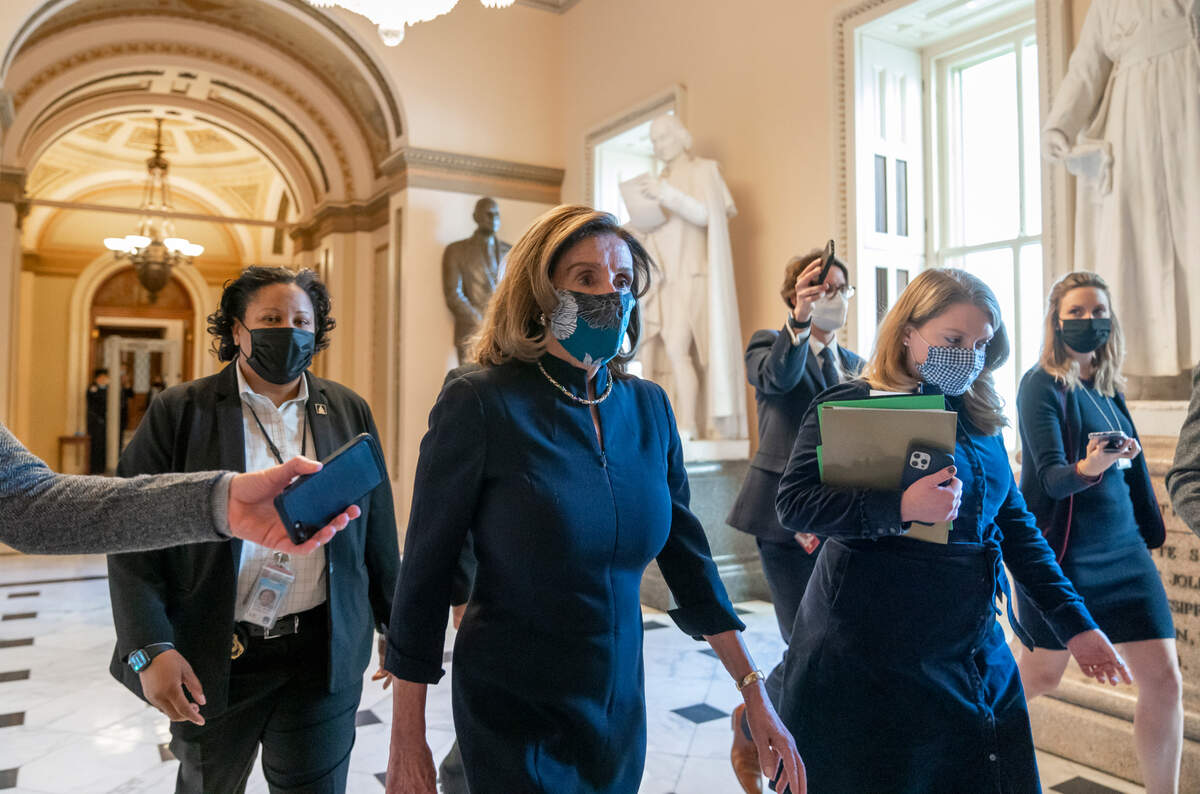
The U.S. House of Representatives voted 232 to 197 on Wednesday to impeach Trump on one article of impeachment for “incitement of insurrection” following last week’s riot at the U.S. Capitol. More than 200 members of Congress cosponsored the article of impeachment.
While there was little doubt that the majority Democrat chamber would impeach Trump for an unprecedented second time, it is less likely that the president will be removed from office before Jan. 20.
Credit: J. Scott Applewhite, AP
The Senate is the chamber with the sole power to remove a president from office, and two-thirds of the senators would need to vote to convict Trump. Majority Leader Mitch McConnell rejected calls for the Senate to reconvene in an emergency session to hold a trial before President-elect Joe Biden is sworn in. The Senate is scheduled to return Jan. 19, the day before Biden’s inauguration.
Even absent an immediate Senate trial, several Democrats said it is important to press forward, including Vermont Sen. Bernie Sanders, who phrased it this way in a tweet: “The answer: Precedent. It must be made clear that no president, now or in the future, can lead an insurrection against the U.S. government.”
Military chiefs weigh in
It’s unusual for top military leaders to comment on anything related to politics, but the chairman of the Joint Chiefs of Staff, Army Gen. Mark Milley, and all of the members of the Joint Staff signed an internal memo Tuesday reminding troops of their sworn duty to protect the constitutional process and transition of power. The top defense chiefs called the siege at the Capitol an act of “sedition” and “insurrection” and affirmed that Biden is the incoming president.
The nation’s top military leaders did not mince words: “We witnessed actions inside the Capitol that were inconsistent with the rule of law. The rights of freedom of speech and assembly do not give anyone the right to resort to violence, sedition and insurrection.”
It’s the third time during Trump’s presidency that the group has released memos to troops. Former Defense Secretary Chuck Hagel told McClatchy that the Joint Staff coming out so forcefully was unprecedented, noting that during his tenure, memos from all of the Joint Chiefs focused on internal policy changes. They were “nothing remotely similar to what the Chiefs sent out” Tuesday.
Kori Schake, a former Defense Department and National Security Council official, suggested why they may have made that rare move.
“They [the service Chiefs] don’t want the idea to take hold that good order and discipline are insufficient, so they’re reminding everyone of their oath and apolitical commitment. It’s a good thing,” Schake said.
Follow these journalists on Twitter for real-time updates:
@fran_chambers - Francesca Chambers, White House correspondent, McClatchyDC
@mawilner - Michael Wilner, White House correspondent, McClatchyDC
@Alex_Roarty - Alex Roarty, White House correspondent, McClatchyDC
@davecatanese - Dave Catanese, Washington correspondent for The Lexington Herald-Leader
@LightmanDavid - David Lightman, senior congressional correspondent, McClatchy
@alextdaugherty - Alex Daugherty, McClatchy political correspondent for the Miami Herald
@MurphinDC - Brian Murphy, North Carolina politics correspondent
@BryanLowry3 - Bryan Lowry, Washington correspondent for the Kansas City Star
This story was originally published January 13, 2021 at 1:15 PM.