
Josh Hawley and the art of the lie: Puffery, attacks and technical truths
READ MORE
The art of the lie
At a point where historians and political scientists express alarm over the future of American democracy, Missouri Sen. Josh Hawley embodies an era where the truth seems more elusive than ever.
Expand All
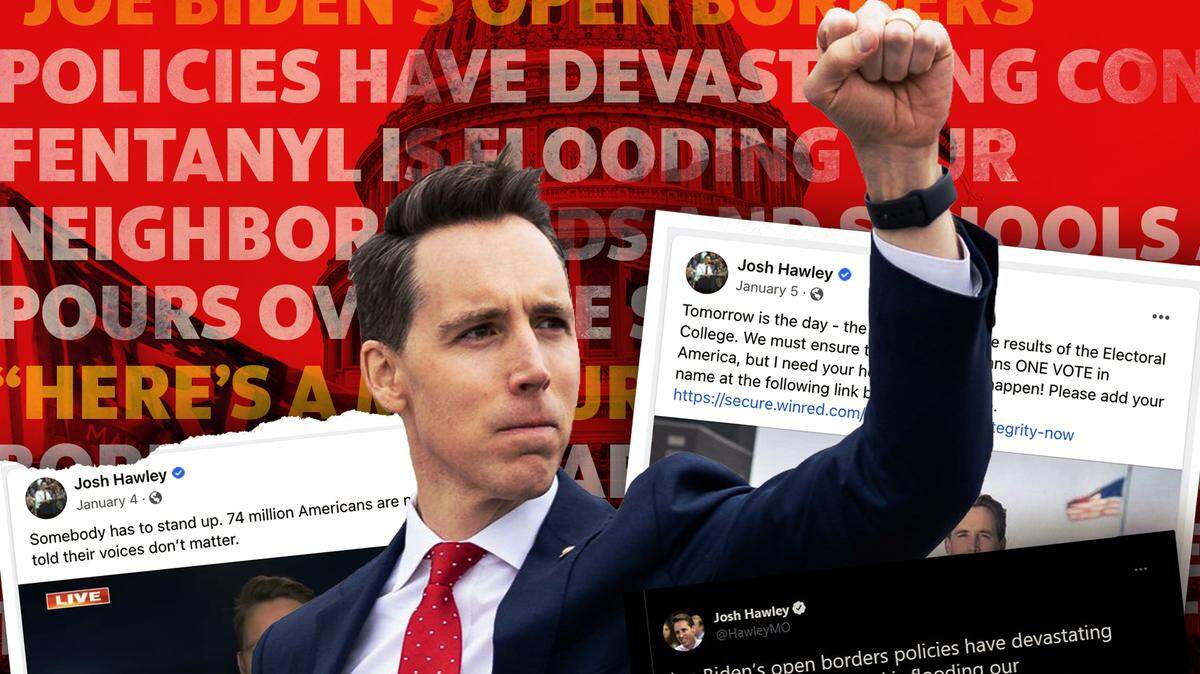
Josh Hawley and the art of the lie: Puffery, attacks and technical truths
How to tell if a politician is lying? A scholar who studies what they say has some advice
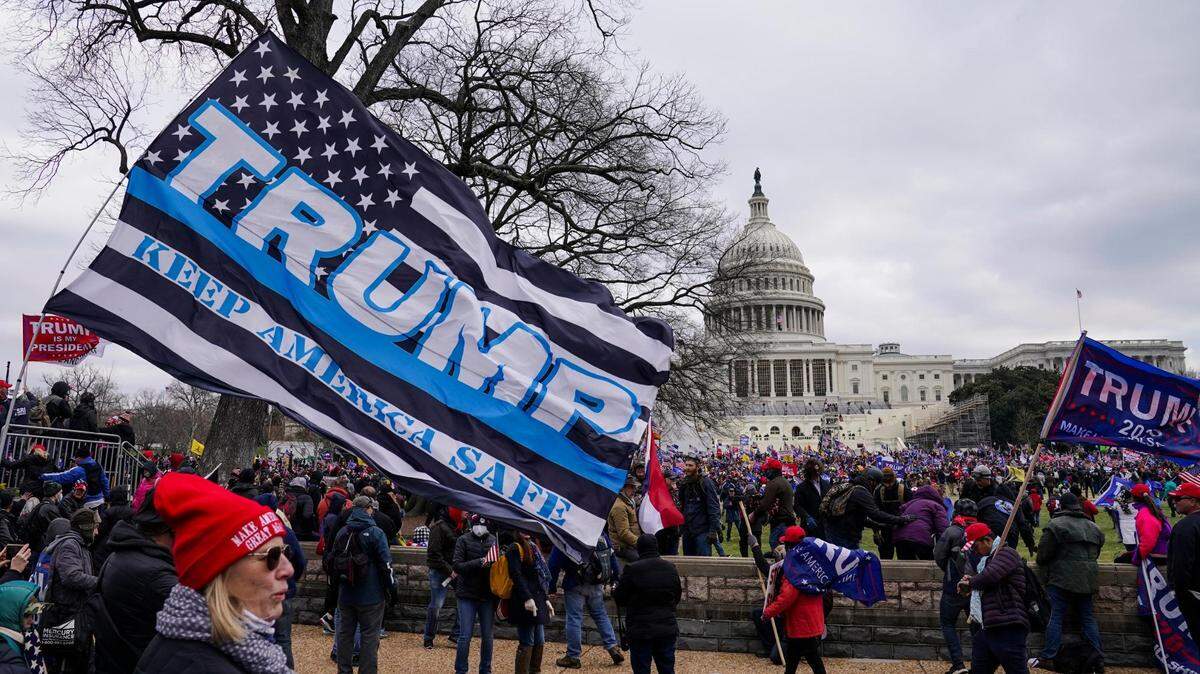
‘Storyweapons’ and ‘fire hoses of falsehood:’ Military studies campaign techniques
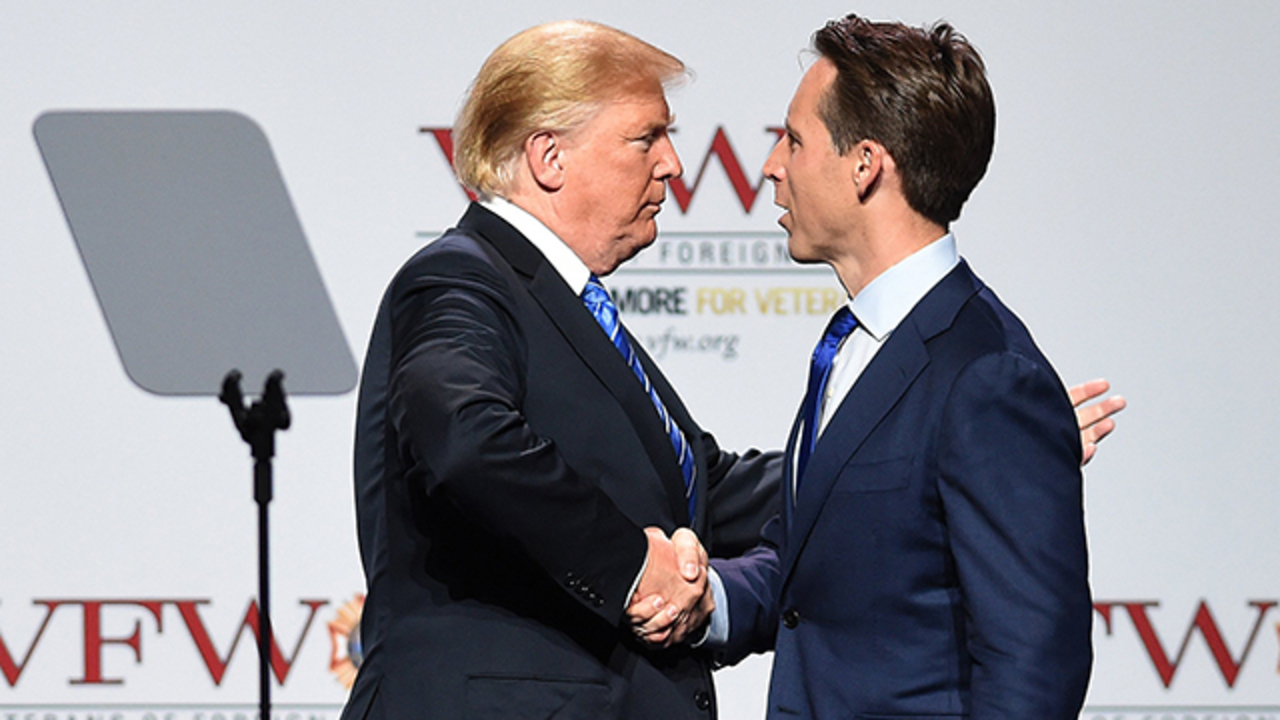
Puffery, attacks and the Big Lie: Josh Hawley demonstrates three forms of political falsehood
Josh Hawley is telling a story.
It’s the story of a sad young man. He’s being called toxic and told that his existence perpetuates sexism. The traits he innately possesses, once seen as valuable to society, now hold him back. He is less likely to attend college than a woman and can’t land a job. So he lives at home, watches pornography and plays video games.
The “left” is trying to create a world beyond men, Hawley tells Republicans gathered at the National Conservatism Conference in Orlando, Florida. It’s part of their grand ambition to “deconstruct America.”
This is the latest chapter in the book of Hawley, the story of his battle against the elites, where he defends masculinity against the forces of the smug, illiberal left, safeguards liberty and fights for those left behind by globalization. Where he relentlessly pursues the tech giants who obliterated our privacy and enabled our sloth.
But Josh Hawley is an elite. He is a banker’s son who attended private prep school, Stanford and Yale Law before clerking for Chief Justice John Roberts.
It’s easy to see Hawley as nothing new. For as long as there have been politicians, the axiom has stood: they lie.
Rarely is it a straight, unvarnished, easily disproved false statement. More often, it wriggles like a fish just pulled out of a lake, its tail driven by omission, embellishment and rationalization.
Hawley is in the vanguard of a new type of politician, one who appears less focused on finding compromise than on fanning conflict about where the country is headed and what he’ll do to stop it.
Missouri’s junior senator embodies an era where the truth seems more elusive than ever, to the point where historians and political scientists express alarm over the future of American democracy. Where fact is too often overtaken by resentment, anger and “what about-ism.” Where context is a casualty.
There have been many attempts to define the phenomenon Hawley has come to represent: Stephen Colbert called it “truthiness”; the 2016 word of the year, “post-truth,” the Rand Corporation’s “truth decay.”
All of them are trying to get at the same thing: for whatever reason, facts are not regarded as all that factual anymore.
Hawley, who is immensely popular among Missouri Republicans and mentioned as a potential Republican presidential candidate in 2024, did not respond to two requests for an interview.
In an effort to better understand his approach, The Star reached former Sen. Jack Danforth, who helped recruit Hawley to run for the Senate in 2018 and has loudly lamented the decision.
Danforth spends a lot of time thinking about lies and has sorted them into a kind of taxonomy of falsehood. One kind is as old as politics itself. One has been around for a long time but has seen more frequent use. Another is relatively new in America. They are puffery, attacks and the big lie.
Puffery
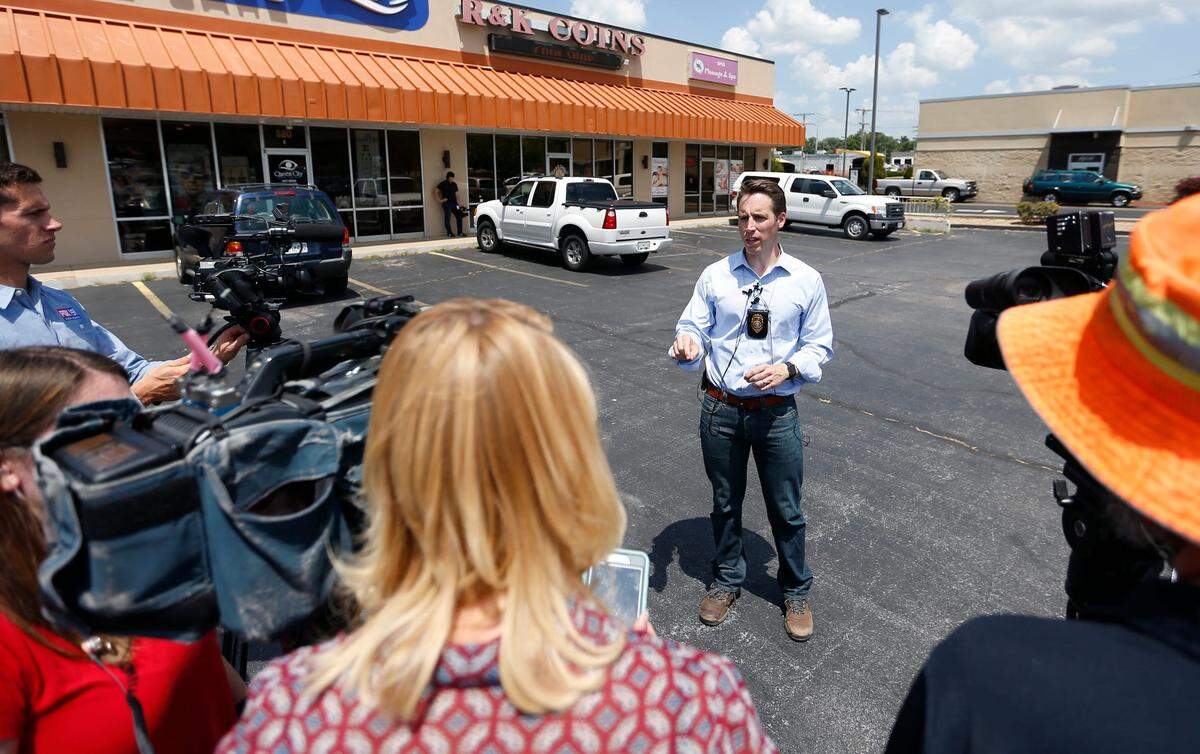
On a hot July day in 2017, Hawley stood outside of Shui Massage and Spa in Springfield, where he told reporters about a series of massage parlors that local police and the Missouri Highway Patrol were raiding as part of a larger sex trafficking investigation.
As he spoke to the cameras, a lanyard holding what looked like a police badge dangled from his neck. This is puffery, when a politician exaggerates their importance.
While they are often elected as the state’s top law enforcement officer, attorneys general tend not to be on the front lines of police raids. They are more typically found in government hearings or courtrooms than outside of massage parlors.
But this was part of a larger strategy, laid out by one of Hawley’s political advisers, who said in an email that “Josh should be wearing some sort of law enforcement garb,” according to records obtained by The Kansas City Star in 2019. The operation resulted in no felony charges, according to the Springfield News-Leader.
“Everybody wants to present himself or herself in the best possible light,” Danforth said. “Everybody wants to claim that if he or she is elected, then the world will be better and crime will go down and people’s standard of living will go up.”
When Hawley was first introducing himself to voters as a candidate for Missouri attorney general in 2016, he talked about how he fought and defeated former President Barack Obama at the Supreme Court in the case of Burwell v. Hobby Lobby. The court decided in 2014 that corporations could be exempt from federal laws if their owners had religious objections.
While Hawley, then a University of Missouri law professor, worked on the case, he was on a team of about a dozen lawyers. It was actually argued by former U.S. Solicitor General Paul Clement. Hawley’s description of his involvement often led people to believe that he played a more significant role.
Politicians have always told this type of lie, in part because most people tell this type of lie. It’s in the Christmas season family letter that spins a rough year into a pleasant one, in the beautiful Instagram photo from an otherwise terrible vacation, or the resume that focuses on strengths and leaves out weaknesses.
For a politician, their career is their resume: speeches, proposed bills, the way they communicate with the public. Every two or four or six years, they go through the job interview again, requiring them to be in perpetual self-promotion, highlighting what they think are their strongest arguments for remaining in power.
And because of those pressures, they often inflate their importance. They tell something called blue lies, a term invented by psychologists to describe false statements that are told in the interest of a larger good.
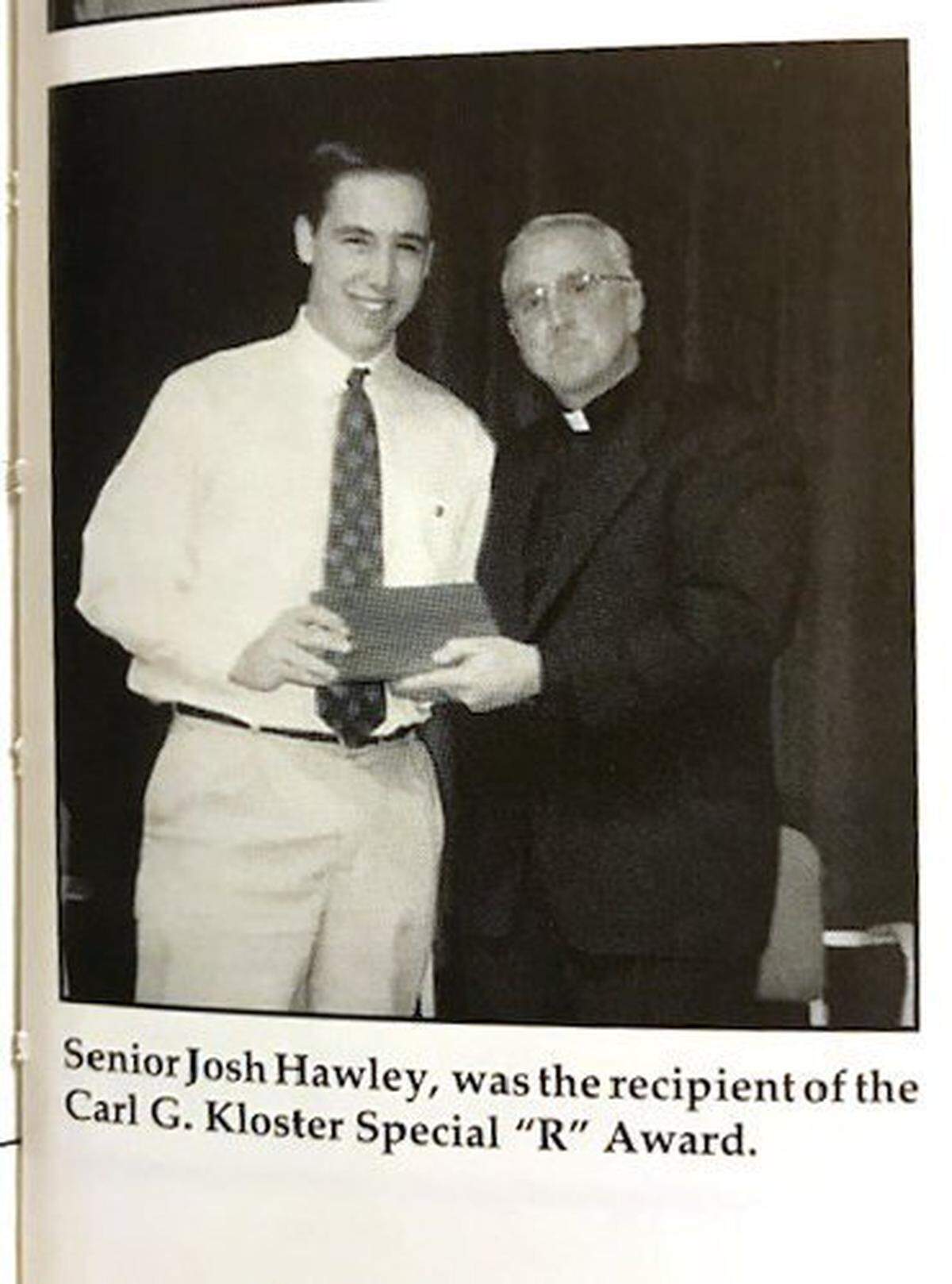
In December, Hawley’s office released its recap of his accomplishments in 2021, with a list of legislative priorities, examples of bipartisan efforts, constituent services and speeches.
It mentioned that Hawley had three bills that became law: a provision intended to improve the military’s response to allegations of sexual assault, a measure requiring the Department of Defense to make more reports to Congress on how it allocates forces and another aimed at keeping Chinese technology out of American weapons.
As is often the case for Senators in the minority, none passed the partisan, gridlocked chamber in the way many people learned in high school government or civics. Instead, they were included as amendments in the massive National Defense Authorization Act, which funds the military.
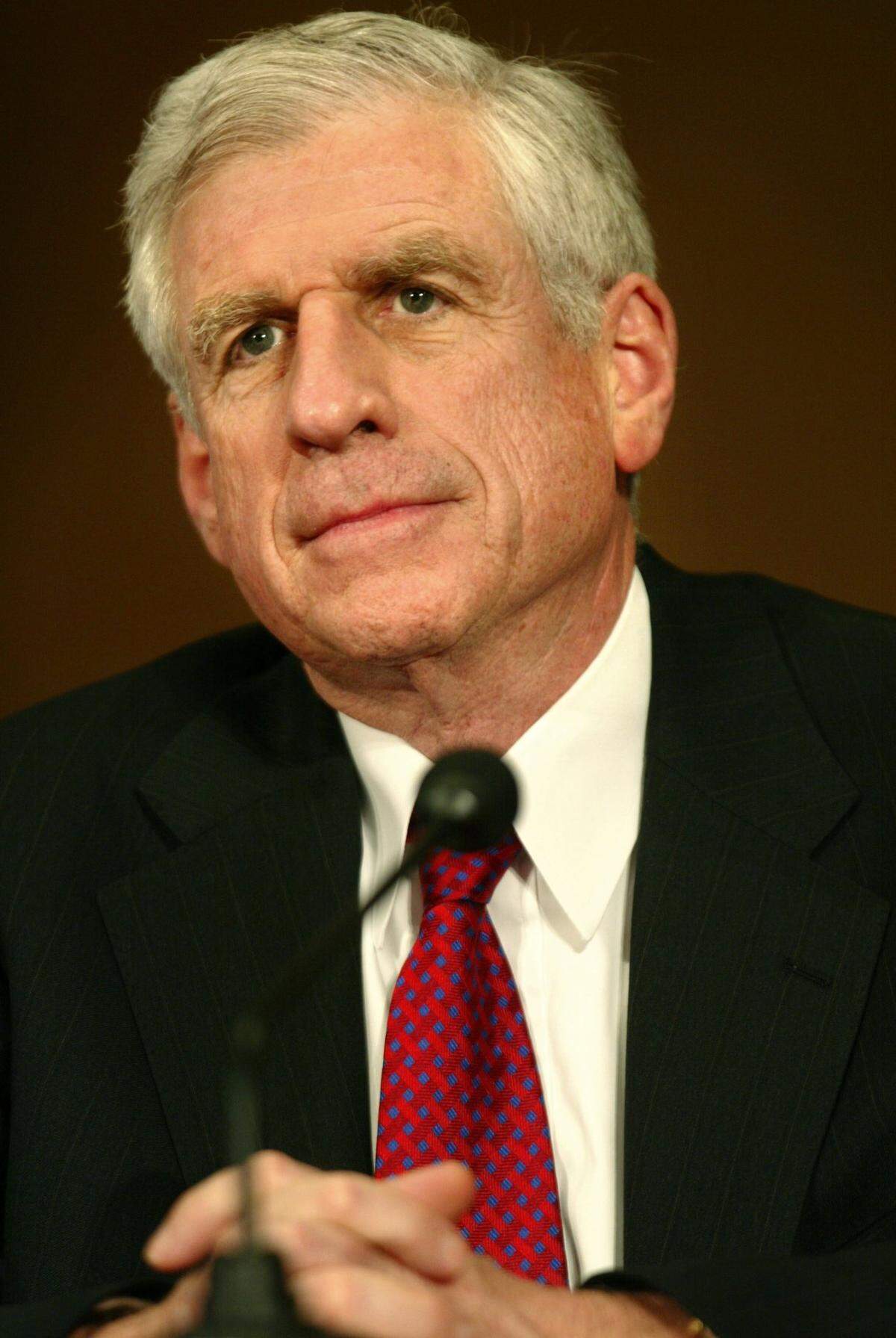
These lies, Danforth feels, are relatively harmless. What is the harm in telling people that your bill will help America be tough on China and help end sexual assault in the military? What is the harm in selling yourself?
Lee McIntyre, a researcher at Boston University and author of the book “Post-Truth,” says there’s a difference between spinning the news to make a politician look good and another type of lie that is becoming more common.
“Spinning is when you put the best possible interpretation on the facts,” McIntyre said. “Now, I think that people are disputing the facts.”
Attacks
Presidential candidates started airing television ads in the earliest days of the new medium. Democrat Adlai Stevenson, a long shot against Republican Dwight Eisenhower in 1952, showed a spot with two hearts speared together by an arrow, saying “Ike ... Bob” back and forth. The message was that if elected, Eisenhower would take marching orders from Robert A. Taft, the leader of the conservative wing of the Republican party.
Attack ads quickly got more sophisticated. Lyndon Johnson depicted Barry Goldwater’s extremism with a little girl playing in a field of daisies before being obliterated by an atom bomb. A PAC supporting George H.W. Bush suggested in 1988 that Michael Dukakis was responsible for a violent sexual assault committed by Willie Horton, when he was on a weekend furlough in a program that operated while Dukakis was governor of Massachusetts
Attacks have become common place in political campaigns, to the point where they’re the background noise in households leading up to an election.
Hawley’s campaigns were no different. Toward the end of his 2018 Senate race, he ran an ad saying former Missouri Sen. Claire McCaskill lied about when she made her decision to vote against the nomination of U.S. Supreme Court Justice Brett Kavanaugh. The closing image blaring the phrase “Claire McCaskill: Dishonest.”
“It’s just casting facts or evidence in the darkest possible way,” Danforth said. “I think that that has increased since my early days in politics.”
With the rise of social media and its relentless acceleration of the news cycle, campaign tactics are now embedded in governance. Congressional partisanship has become tribal, with members making overtures to their political base instead of looking for compromise.
Areas where there used to be bipartisan agreement, like presidential nominations or bills for infrastructure are now partisan battlegrounds.
Attacks on candidates have spilled into attacks on the ideas.
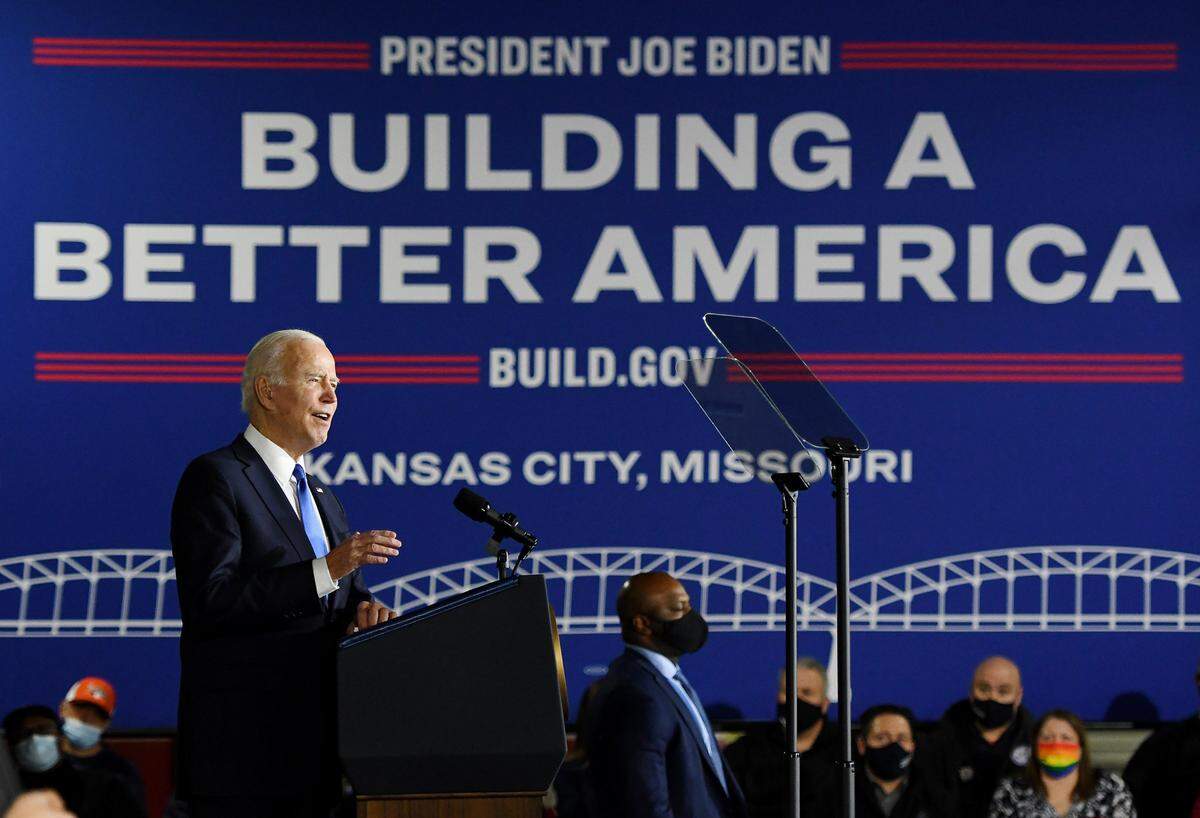
When President Joe Biden visited Kansas City in December, Hawley castigated the infrastructure bill that he was there to promote, one that puts $550 billion in new spending into roads, bridges, trains and broadband. Nineteen Republican Senators, including Blunt, worked on and supported the measure.
“It’s a terrible bill that is full of just outrageous pork barrel spending and the far left agenda including canceling energy jobs,” Hawley said. “It’s got of course their social agenda in it and it has very little focus on real infrastructure.”
The statement contains inflammatory buzz words familiar to people who digest the same sort of information as Hawley: “far left,” “canceling” and “social agenda.”
The result is an “in-group” and “out-group” dynamic: those who speak the language of Hawley and the others who use words like “gaslighting,” “inclusivity” and “cultural appropriation.”
In those situations, people begin to identify their political party with patriotism and the opposition as a mortal threat, according to Patricia Roberts-Miller, a retired professor of rhetoric at the University of Texas at Austin.
Hawley’s November speech to the National Conservatism Conference didn’t paint the Democrats as having a different policy vision for America. Instead, the ambiguous “left” was a monster, out to destroy the traditions and norms of America as we know it.
“Instead of the honorable opposition, it’s an enemy,” said Roberts-Miller. “So it’s a kind of pre-emptive self-defense, in the sense that, if I believe you’re going to hurt me, I can feel justified at hurting you first, because I’m preventing you from hurting me.”
This attitude waxes and wanes through history.
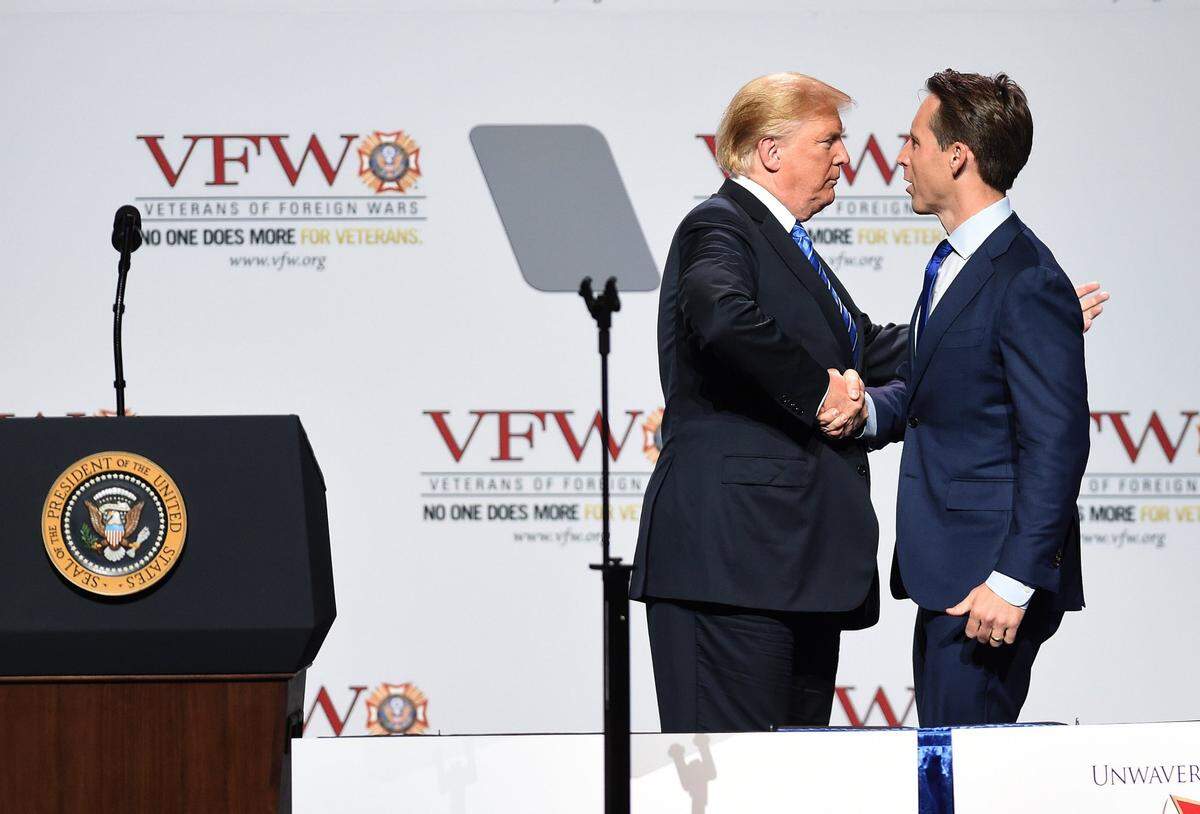
Roberts-Miller says one of the best descriptions for our current political environment comes from 5th century Athens, in Thucydides’ History of the Pelopennesian War.
“Reckless audacity came to be considered the courage of a loyal ally; prudent hesitation, specious cowardice; moderation was held to be a cloak for unmanliness; ability to see all sides of a question, inaptness to act on any,” Thucydides writes. “Frantic violence became the attribute of manliness; cautious plotting, a justifiable means of self-defence (sic). The advocate of extreme measures was always trustworthy; his opponent a man to be suspected.”
He’s describing a politics of extermination, Roberts-Miller said. If your side doesn’t win the battle, it will no longer exist.
This type of politics appears again in the buildup to the American Civil War, where a proliferation of political newspapers enabled people to live in their own informational bubble. Those with opposing opinions were not merely wrong, they were the enemy.
The same conditions existed in Weimar, Germany.
All were eras that culminated in violence.
“I am terrified. I have been terrified since 2003.,” said Roberts-Miller, referring to the run up to the Iraq war. “[What] I saw at that point that was really disturbing was that you had people who were in their own informational world.”
The big lie
Oliver Hahl, a professor at Carnegie Mellon University in Pittsburgh, has been studying why people find a “lying demagogue” authentic.
He found that when he told people a politician they liked had lied, they tended to dismiss it. Their view was that the person was speaking to a deeper truth they supported. This finding cut across both parties.
“It seems like there is a non-trivial subset of the population that would say ‘Oh, I know it’s a lie and I know he’s not telling the truth, but it’s because of the deeper thing he’s trying to point out,’” Hahl said.
But sometimes the inverse occurs. It happens when a politician says something small and technically truthful that, when placed in the context of a larger political discussion, serves to prop up a bigger lie.
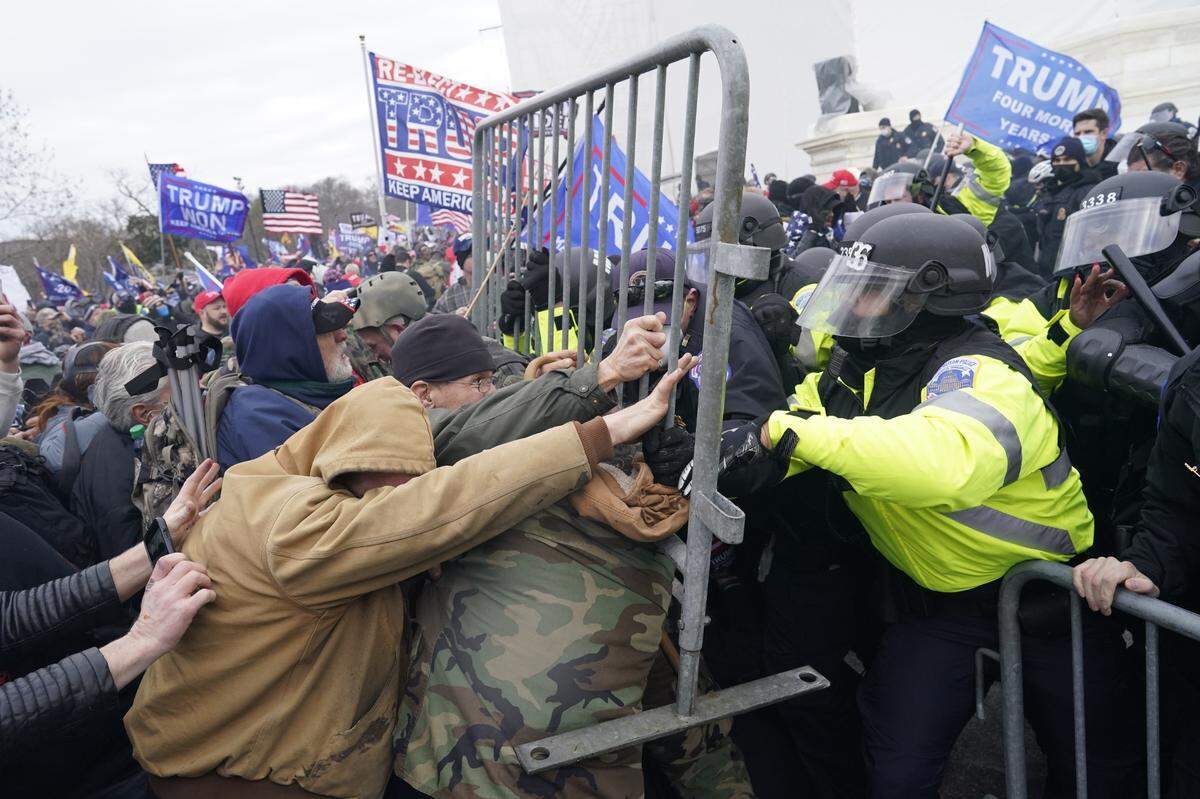
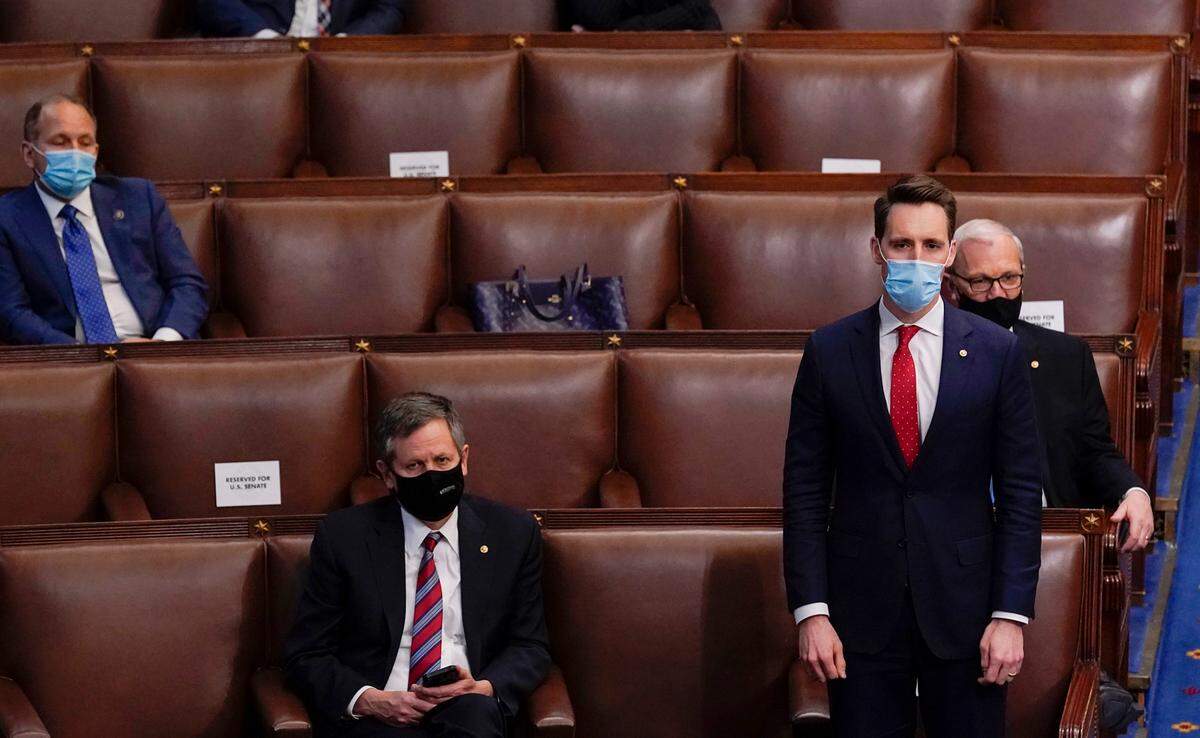
On the night of Jan. 6, hours after Capitol police were overrun by a mob of Trump supporters and a woman had been killed trying to get into a door leading to the House of Representatives, Josh Hawley stood up and denounced the violence that had taken place.
Then he spoke his small, technical truth. It was in defense of his decision to become the first senator to object to certification of the 2020 Electoral College results.
More than a month earlier, the Pennsylvania Supreme Court had dismissed a case brought by U.S. Rep. Mike Kelly, a Republican from Pennsylvania. He’d asked that the state be barred from certifying the 2020 results because a 2019 law that allowed expanded mail-in balloting was unconstitutional.
An appeals court dismissed the case on procedural grounds and said it had no merit. The state Supreme Court was split on the constitutional question, but when dismissing the lawsuit said disallowing the mail-in ballots would have disenfranchised millions of voters.
“It is not our role to lend legitimacy to such transparent and untimely efforts to subvert the will of Pennsylvania voters,” Justice David Wecht wrote in a concurring opinion.
Hawley was right when he said the courts had never decided if the statute was constitutional. They dismissed the lawsuit on procedural grounds.
“The constitutionality of the statute actually has never been defended,” he said. “I’m not aware of anybody who’s defended the constitutionality, and this was the statute that governed this last election in which there were 2.5 million ballots in Pennsylvania.”
When placed in context, his technical defense served as another vehicle for the lie that President Donald Trump had been telling for months — that the 2020 election was stolen from him.
The seeds of that lie had been planted long before the election: Trump was the greatest president, the guy who would be “the second most presidential after Abraham Lincoln” (puffery). He was such a good president, in fact, that it would be impossible for “Sleepy Joe Biden” (attack) to beat him. The only way Biden stood a chance was if the Democrats cheated and stole the election (the big lie).
So, as it appeared Biden would win the election, conspiracy theories swirled in the places where Trump’s base gets their trusted information. The enemy, the left, the Democrats, were out to destroy America and Trump was doing everything he could to stop them and would be rewarded in the end by rightfully staying in power.
The movies always say that when it’s good versus evil, the good guy wins.
As he objected to the certification of Pennsylvania’s election, Hawley said he was providing a voice for the millions of voters who were worried about the integrity of the election. He didn’t address why they were concerned in the first place.
“If you want to spread a lie, there’s got to be some evidence that you present to support or some assertion,” Danforth said.
Hawley has stuck rigidly to his line in the aftermath of Jan. 6. He’s insisted he was making a good-faith argument for having the Senate debate the merits of certifying Pennsylvania’s election.
But while he argues from his marble and sandstone tower on Capitol Hill, across the country Republicans already seem to have lost faith in the democratic process. A November poll by the Public Religion Research Institute found that 68% think the election was stolen from Trump, a number that has remained relatively consistent for months.
Republican-controlled legislatures across the country have passed laws restricting ballot access. All carry the proclaimed intent to make it harder to cheat, while there remains no evidence of widespread voter fraud. Trump supporters have launched an effort to get people into positions where they would be able to overturn an election.
It’s an effort Danforth says runs the risk of breaking the basic promise upon which the country was founded.
“The Declaration of Independence says government derives its just power from the consent of the governed,” Danforth said. “Well, the consent of the governed is undermined by the notion that the system no longer works and the election doesn’t work.”
So, when former politicians and the people who study political history are nervous about an existential crisis facing American democracy, when a European think tank finds that America is a democracy in decline, what is an American politician’s responsibility in this moment?
Danforth paused for 10 seconds to think about his answer.
“Well, I think on the big lie, not to spread it,” Danforth said. “And I think also, it’s a responsibility for all of us not to demonize opponents, not to treat opponents as though they’re evil. They’re just people with different opinions. And that’s a big message. I think that’s the responsibility for all of us.”
This story was originally published January 2, 2022 at 6:00 AM with the headline "Josh Hawley and the art of the lie: Puffery, attacks and technical truths."