Congress is set to certify the Electoral College votes Wednesday. Here’s how it works
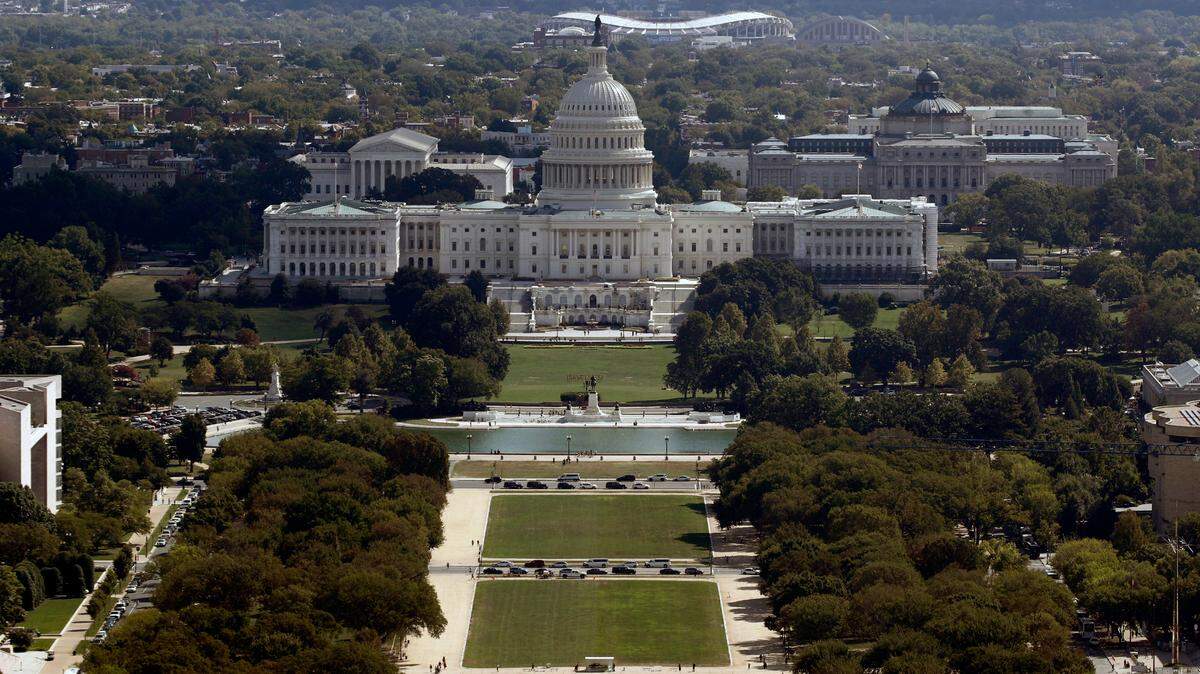
Congress meets Wednesday to certify the Electoral College vote, and the process — which usually draws little attention — has recently been in the spotlight as some GOP lawmakers say they will object to the results.
The Electoral College met in December to cast its votes for president, further affirming President-elect Joe Biden’s win over President Donald Trump. Biden received his projected 306 electoral votes to Trump’s projected 232.
Now, Congress is set to officially count and confirm those votes Wednesday and declare a winner.
The Associated Press and other media outlets projected Biden the winner on Nov. 7 after he crossed the 270-electoral vote threshold needed to win. He and Vice President-elect Kamala Harris will take office on Jan. 20.
Projected results, which are usually available on election night or a few days after, are considered preliminary. It’s standard for the media to call races before results are made official.
The steps between the projections and the next president taking the oath of office are usually mundane. But they’ve garnered more attention this year as Trump and his allies have refused to accept the results of the election and sought avenues to overturn them despite a lack of credible evidence of widespread fraud.
How does certification work?
Congress will convene for a joint session at 1 p.m. to count the votes.
The president of the Senate, in this case Vice President Mike Pence, presides over the session. He will “open and present” the electoral vote certificates from each state and Washington, D.C., in alphabetical order, according to the Congressional Research Service.
Next, the certificates will be read aloud by “tellers,” members of the U.S. House of Representatives and Senate appointed to the roles. The vice president then asks if any members of Congress wish to object to any of the votes, The Washington Post reports.
After all the votes are read, the tellers record and count them. The vice president then declares an official winner once one presidential ticket reaches 270 votes.
The process is typically undramatic and ceremonial. It took 35 minutes to complete in 2017, 22 minutes in 2013 and 29 minutes in 2009, according to CBS News reporter Nancy Cordes.
But this year’s process is expected to look different — and be much lengthier.
How does objection work?
The Electoral Count Act of 1887 allows members of Congress to object to a state’s electoral vote.
Objections must be written and signed by at least one member of the House and one senator, then submitted after the state’s vote is read, according to Ballotpedia.
The two chambers then meet separately and debate for up to two hours before deciding whether to continue voting given the objection, per Ballotpedia. The objection fails unless both chambers vote by a simple majority to concur with the objection.
Objections to Wednesday’s vote are almost certain to fail, as bipartisan majorities plan to accept the results, The Associated Press reports.
Republicans, however, plan to force objection votes on at least three states, The New York Times reports, and dozens of House members along with 11 senators have announced plans to vote against certifying the results.
Trump has also urged Pence to overturn the results, which the Constitution does not allow him to do.
Senate Majority Leader Mitch McConnell, a Republican from Kentucky, has reportedly urged fellow GOP members not to object to the vote.
Objections are rare but have happened. In 1969, an objection was brought against North Carolina due to a faithless elector, and in 2005 one was raised against Ohio over reported irregularities, according to Ballotpedia.
How did we get here and what happens next?
Wednesday’s certification follows months of election-related challenges and lawsuits — which have largely been unsuccessful — amid Trump’s false claims that the election was fraudulent and stolen from him.
Prior to the Electoral College meeting to cast its votes, each state certified, or officially verified, its election results and handed in their certificates of ascertainment and names of their electors to Congress. Each state’s share of the 538 electors is based on population.
The vote certification process was also met with more drama than usual this year as Trump and his allies targeted the process in some key battleground states in an effort to contest the results.
Congress’s meeting Wednesday marks the final step before Biden and Harris take office on Jan. 20, the constitutionally set Inauguration Day.