
Curtis Gans, leader of ‘68 oust-Johnson effort, dies
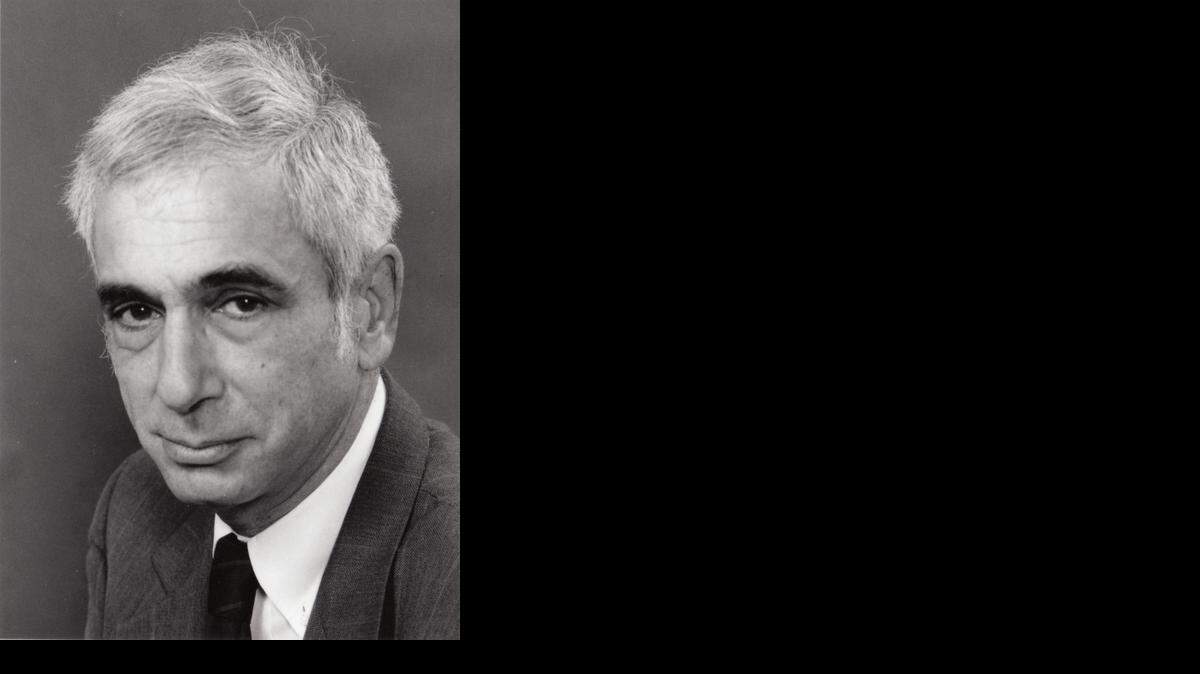
When reporters wanted to know who turned out in an election and why, they turned to Curtis Gans.
When they wanted to learn how a presidential insurgent seemed like or unlike Eugene McCarthy and his 1968 bid to topple President Lyndon Johnson, they turned to Curtis Gans.
Gans, who had worked for United Press International, became a national political figure of sorts in the late 1960s. Along with Rep. Allard Lowenstein of New York, they were instrumental in organzing the 1968 campaign of McCarthy, a U.S. senator from Minnesota who launched what seemed like an impossible bid against Johnson for the Democratic presidential nomination.
McCarthy was the candidate who opposed the Vietnam War, and his surprisingly good showing in the 1968 New Hampshire primary – he won 42 percent – helped push Johnson out of the race. Vice President Hubert Humphrey would eventually win the Democratic nomination that year, but McCarthy and his minions had shown that underdogs can have a huge influence.
Gans would go on to found the Committee for the Study of the American Electorate. He became an expert on voter turnout, burrowing into the causes of voter apathy and providing detailed data and analysis.
According to the Washington Post, Gans was a Lovettsville, Va., resident. His marriages to Eugenia Grohman and Shelley Fidler ended in divorce. Besides his son, who lives in the District, survivors include a brother
This story was originally published March 17, 2015 at 10:58 AM with the headline "Curtis Gans, leader of ‘68 oust-Johnson effort, dies ."