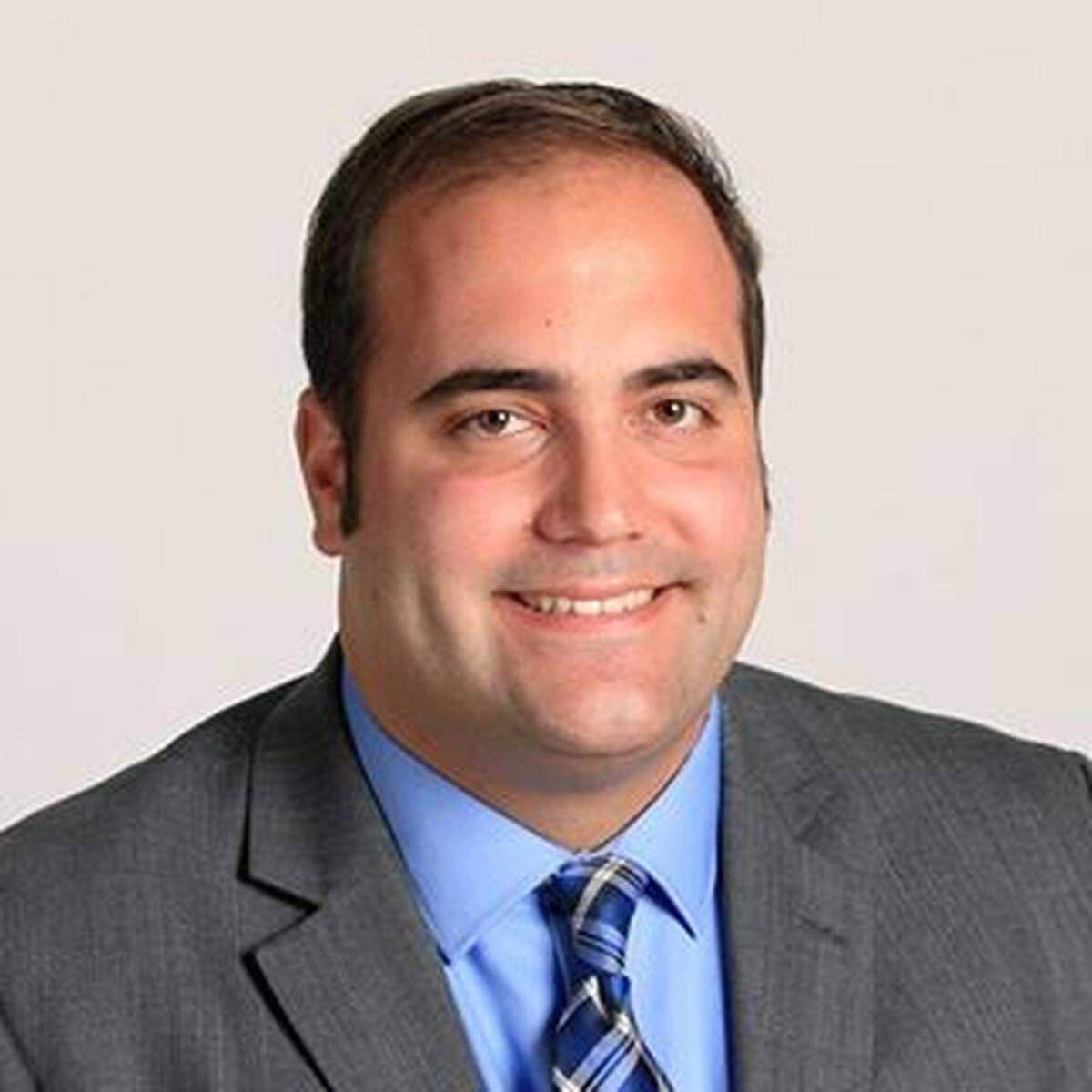
Hawley quotes Lincoln in speech defending Confederate-named military bases
Missouri Sen. Josh Hawley lambasted legislation Thursday that would remove the names of Confederate officers from 10 military bases and accused the media of trying to sow racial division.
In a 9-minute speech from the Senate floor, Hawley invoked Abraham Lincoln’s Gettysburg Address as he pledged to offer legislation to preserve names of the generals who waged a war to secede from the Union upon Lincoln’s election.
He said to remove their names would amount to historical revisionism.
“The purpose was to erase from history — erase — every person and name and event not righteous enough and to cast those who would object as defenders of the cause of slavery,” Hawley said. “To reenact in our current politics that Civil War that tore brother from brother and divided this nation against itself.”
Hawley’s speech comes day after the Senate Armed Services Committee approved an amendment to the defense authorization bill that would rename bases named for Confederate leaders. Hawley, a member of the committee, voted against the measure.
The amendment was crafted by Sen. Elizabeth Warren, a Massachusetts Democrat, who said earlier this week that it was “long past time to end the tribute to white supremacy on our military installations.”
The committee added it to the annual defense authorization bill, a piece of must-pass legislation that enables the Pentagon to spend the military budget. Proponents of the amendment argue that it would remove the names of the officers who led a war against the U.S. military to preserve the racist institution of slavery.
Hawley quoted portions of the Gettysburg Address, Lincoln’s most famous speech honoring the Union dead, saying that “these dead shall not have died in vain” and said he would offer an amendment to strip out the language removing Confederate names before the full Senate votes on the bill.
He contended that he would be doing so “not to celebrate the cause of the Confederacy but to embrace the cause of union—our Union.”
Hawley argued that the Confederate names on bases help educate the country about the Civil War and that removing would sow division.
“You think the way some in the media talk about this country that they’re sad we’re still not fighting the Civil War. They would like us to fight a new civil war in our culture,” Hawley said.
Hawley blasted The New York Times’ Pulitzer Prize-winning 1619 Project, which focused on the legacy of American slavery, as a propaganda campaign.
The speech covered a wide range of topics related to race, accusing the “elite media, the woke mob” of targeting President Donald Trump’s supporters in the wake of George Floyd’s death in Minneapolis last month.
“This is why they’re telling us that it wasn’t a homicidal cop who killed George Floyd. No, his death now is the product of systemic racism, we’re told. And anyone who doesn’t acknowledge their role in his death, anyone who doesn’t bend their knee to this extreme ideology is complicit in violence,” Hawley said.
Floyd, an African American man, asphyxiated after a white police officer held a knee to his neck for nearly 9 minutes, setting off protests around the globe against police brutality and racism.
The protests have fueled a broader racial justice campaign, including efforts to remove Confederate memorials throughout the United States. Trump has been vehement in his opposition.
The bases that would be renamed under Warren’s legislation include Fort Bragg in North Carolina, the Army’s largest installation, which is named after Confederate General Braxton Bragg. He was defeated by Union General Ulysses S. Grant at the Battles of Chattanooga in 1863.
Missouri’s other Republican senator, Roy Blunt, said Thursday that he did not have a problem with renaming the bases.
“If you want to name them after soldiers, there’s been lots of great soldiers since the Civil War,” Blunt said, noting that Bragg was one of the worst generals in the Civil War.
This story was originally published June 11, 2020 at 7:31 PM with the headline "Hawley quotes Lincoln in speech defending Confederate-named military bases."