
Debate stage: Voters like Bush, Rubio. A lot don’t like Trump
Republicans like Jeb Bush. And a lot really don’t like Donald Trump.
In fact, more than half find Trump a distraction from the primary process, not a serious candidate.
With the first Republican presidential debate coming up Thursday, a new McClatchy-Marist poll finds that a majority of Republicans and Republican-leaning independents personally like Bush, saying they view him favorably rather than unfavorably. Large numbers also like Marco Rubio and Mike Huckabee, far more than dislike them.
But nearly half dislike Trump, suggesting that the billionaire businessman who leads national Republican polls will have a hard time reaching those personally hostile voters and growing his constituency, while a host of others have room to surge.
The debate in Cleveland, the first of a monthly series, will feature the 10 Republicans, plus ties, atop an average of national polls. As many as seven other candidates will not qualify and instead can participate in a late afternoon forum.
The McClatchy-Marist poll dropped questions about voting choices in this survey, believing the debate criteria is a misuse of public polling data for a critical first debate. This survey instead measures how voters feel about the candidates for the Republican and Democratic nominations.
The favorable numbers illustrate whether a candidate starts with goodwill. As the primary campaign develops, voters who like a candidate or see him favorably are more open to hearing their message. Analysts also note that when voters don’t like a candidate, they’re much less likely to be open to supporting them.
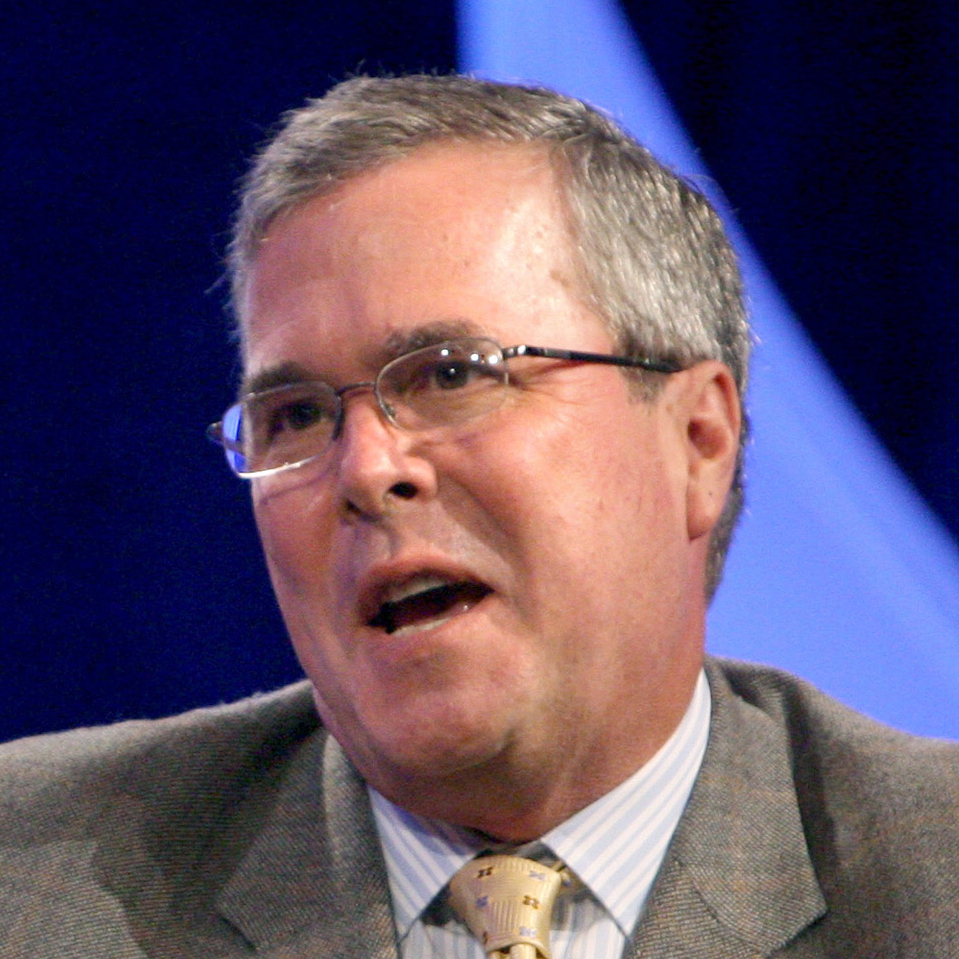
Bush, the former governor of Florida, has the highest favorable number, 51 percent, with 30 percent disliking him.
Rubio, a senator from Florida, gets favorable notices from 49 percent of Republicans and Republican-leaning independents and negative ratings from 15 percent.
Other prominent challengers had unfavorable ratings of less than 20 percent but were largely unknown to much of the public, including Wisconsin Gov. Scott Walker and retired neurosurgeon Ben Carson.
Many voters are still making up their minds.
Vernon Madrid of Fayetteville likes Walker, Carson, Cruz and former business executive Carly Fiorina.
He doesn’t like Bush. “He is more of the same, more of mainstream Republican establishment,” Madrid said. That’s the same bunch that is leading Congress today, he said. “They have done nothing.”
Patrick Deaver of Raleigh had similar views. He praised Trump. “There’s a clear delineation between Trump and the other candidates,” he said. “They’re all career politicians.”
Francisco Luis Valle of Hartsville, S.C, said he was locked in on Trump until the billionaire businessman questioned whether Sen. John McCain, R-Ariz., who spent 5 1/2 years in a North Vietnam prison camp, was a true war hero.
Valle’s father was killed in Vietnam. “At the time, I liked Trump,” Valle said. “Even though I’m not a John McCain man, I know what he went through as a prisoner of war. It (Trump’s remarks) turned me off. The man (McCain) did suffer.” Still, Valle said Trump could win him back.
In such a big field, Trump’s 42 percent favorable could be enough to win primaries and caucuses. He gets strong support from activist wings of the party.
“Among the party base, he’s a force to be reckoned with,” said Lee Miringoff, director of the Marist Institute for Public Opinion in New York.
Others with negative images face tougher tasks. Chris Christie, the outspoken governor of New Jersey, and Sen. Lindsey Graham of South Carolina were both seen far more unfavorably than favorably.
Split on candidates' favorability
Hillary Clinton is the most popular candidate with his or her party in the 2016 presidential field right now, rated favorably by 72 percent of Democrats. Bush leads the GOP contenders, at 51 percent favorability.
While some candidates are very divisive – such as Donald Trump who boasts a 42 percent to 49 percent favorable to unfavorable rating – others are simply less well known. Ben Carson, who trails Trump in favorability by two points, doesn't elicit favorable or unfavorable opinions from half of Republicans.







Here’s the list, ranked by favorability, followed by unfavorability:
– Bush, 51 percent favorable, 30 percent unfavorable;
– Rubio, 49-15;
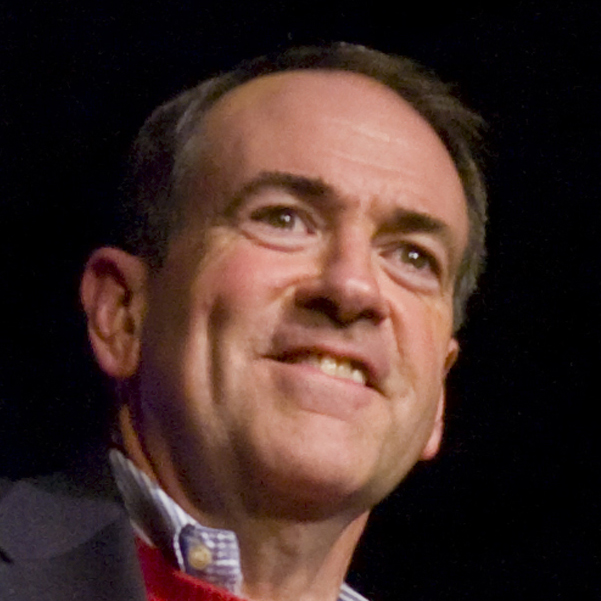
– Huckabee, the former governor of Arkansas, 45-30;
– Walker, 43-16;
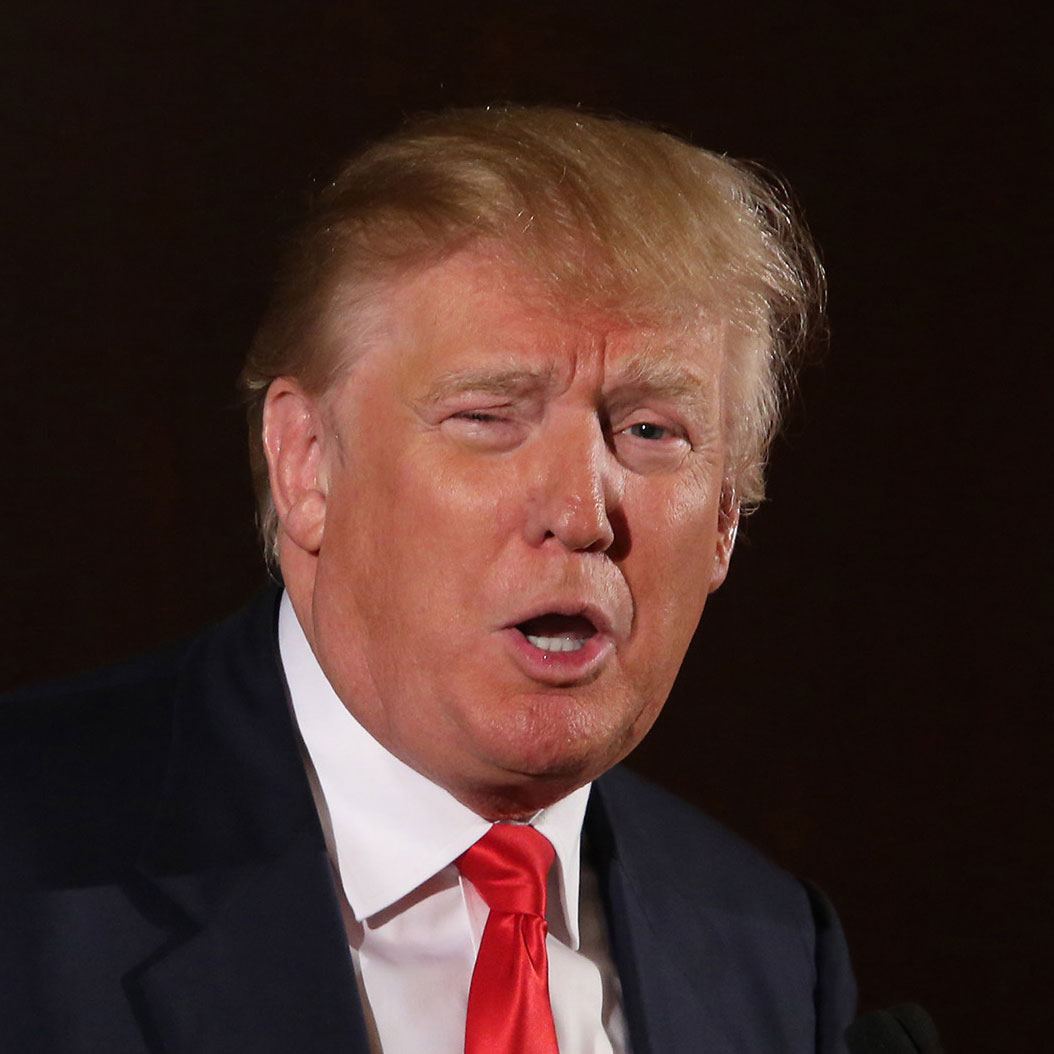
– Trump, 42-49;
– Carson, 40-10;
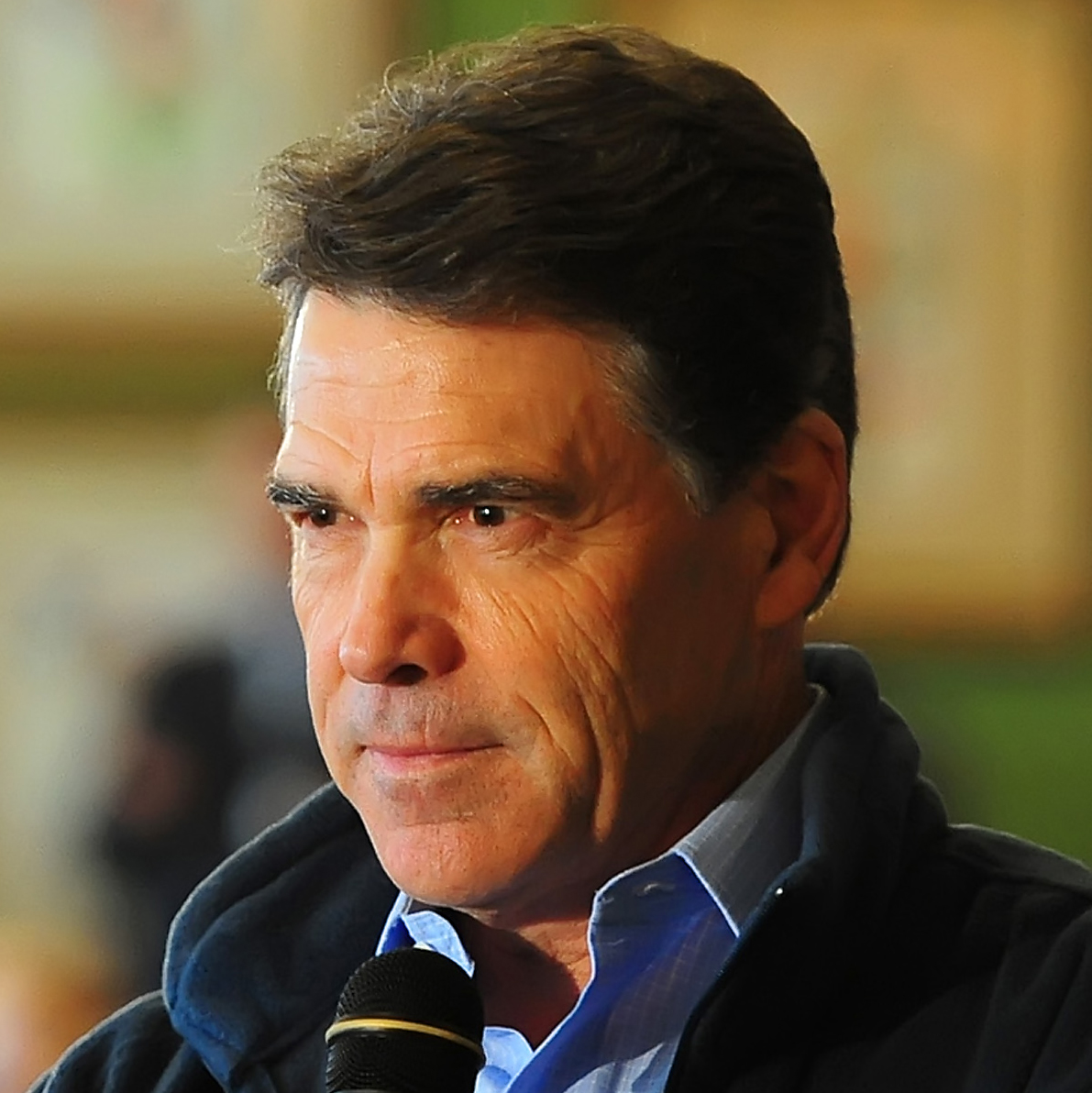
– Rick Perry, former governor of Texas, 38-26;
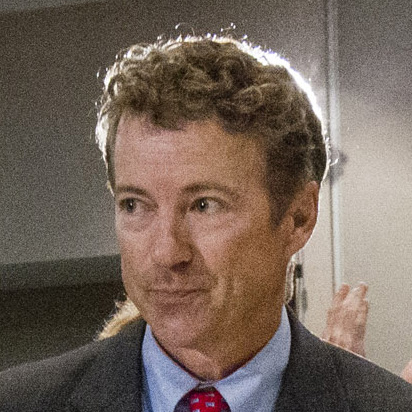
– Rand Paul, senator from Kentucky, 38-37;
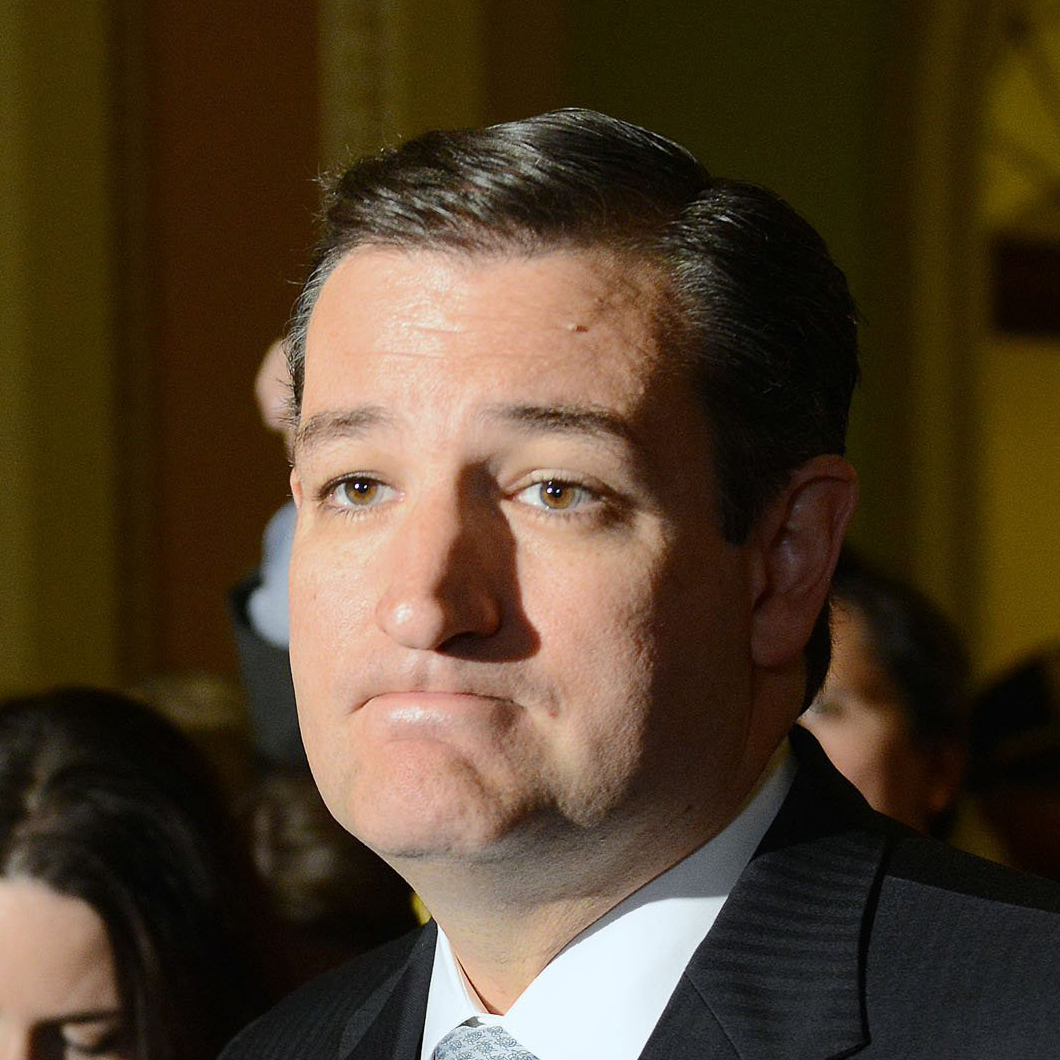
– Cruz, 37-24;
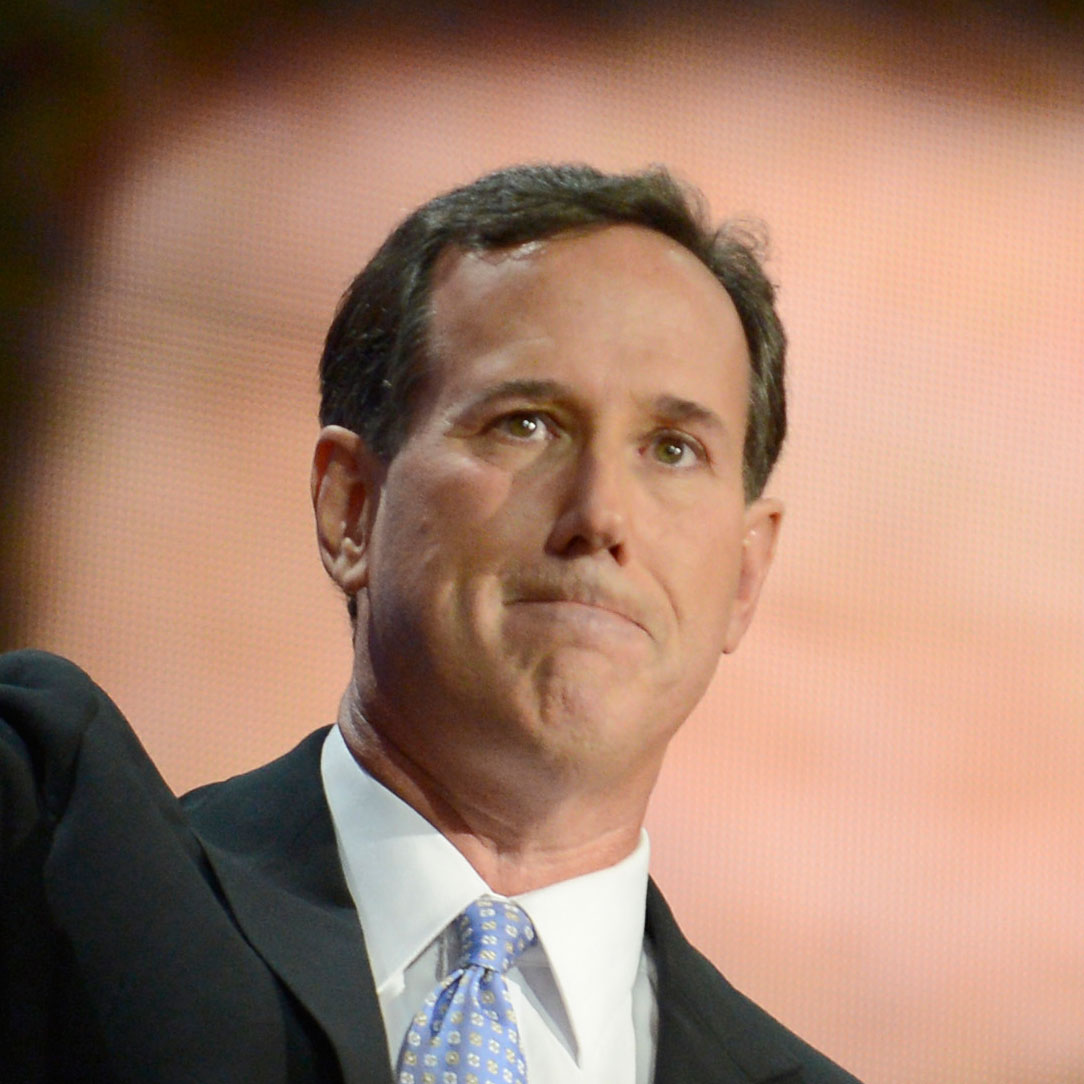
– Rick Santorum, former senator from Pennsylvania, 31-27;
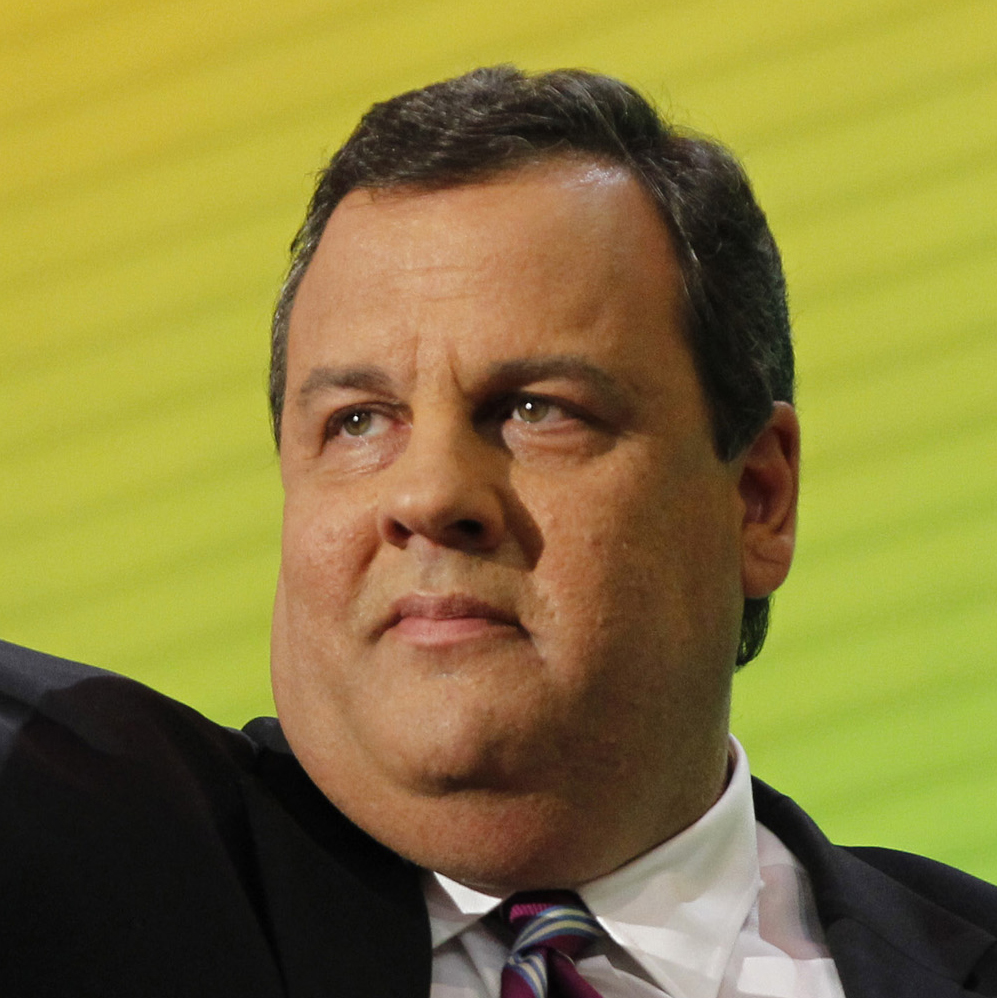
– Christie, 31-44;
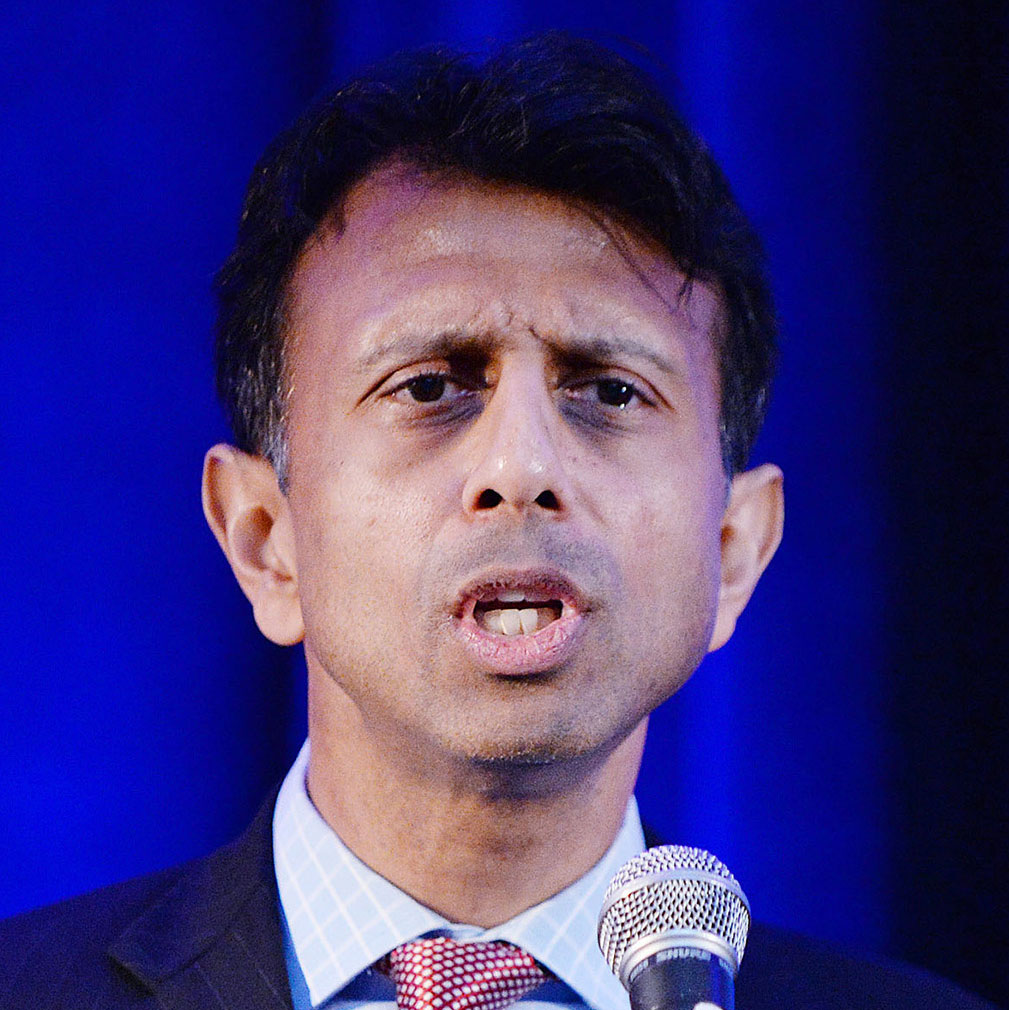
– Bobby Jindal, governor of Louisiana, 29-17;
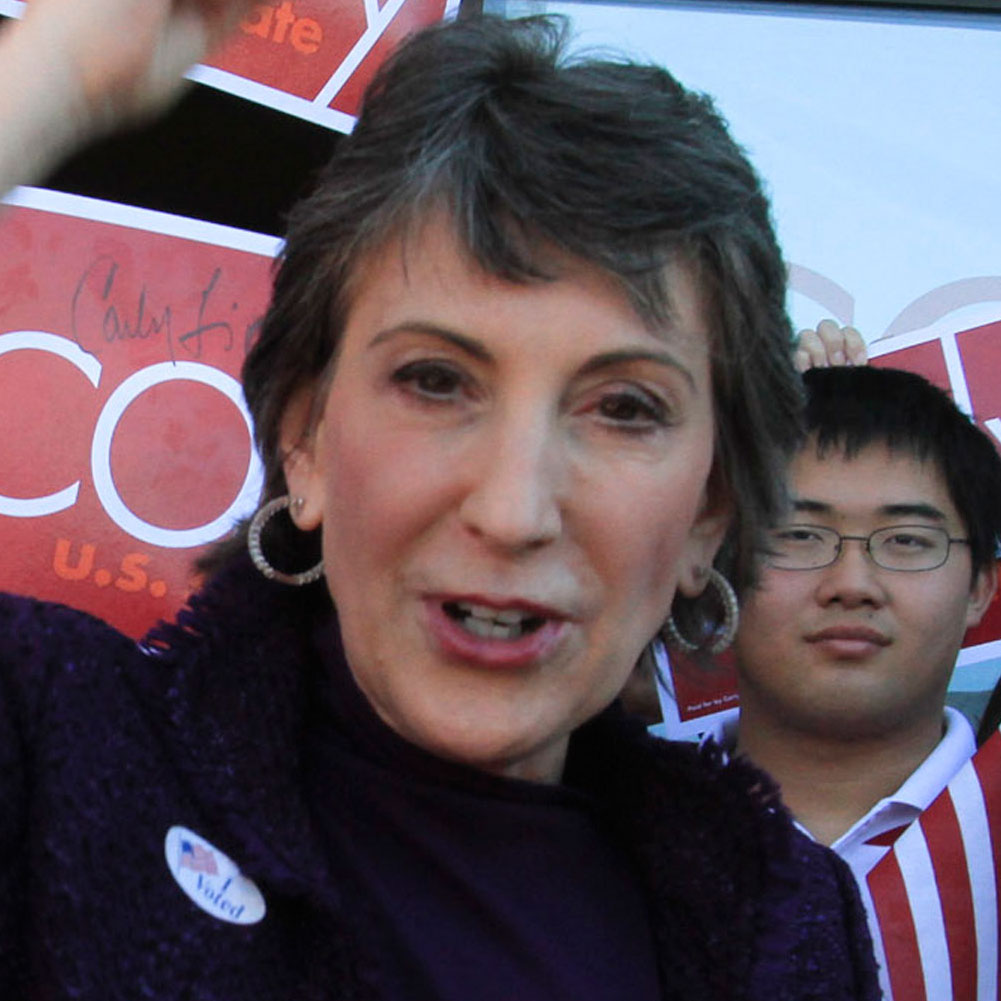
– Fiorina, 26-12;
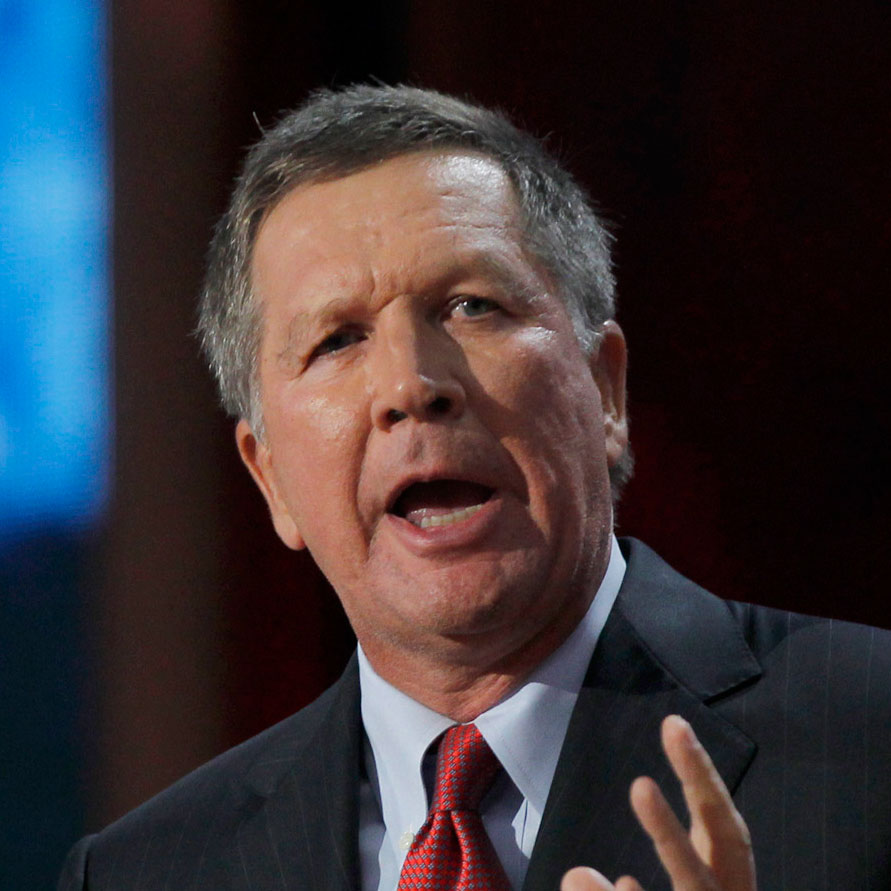
– John Kasich, governor of Ohio, 23-14;
– Graham, 15-40;
– Jim Gilmore, former governor of Virginia, 2-15.
Former New York Gov. George Pataki was not included in the poll.
Among Democrats, front-runner Hillary Clinton was seen overwhelmingly favorably by Democrats and Democratic-leaning independents. Her challengers are barely known, not even Sen. Bernie Sanders of Vermont, who’s been drawing big crowds and vocal support from the party’s liberal wing.
EDITORS: STORY CAN END HERE
The Democratic rankings:
– Clinton, 72 percent favorable, 22 percent unfavorable;
– Sanders, 34-16;
– Jim Webb, former senator from Virginia, 12-14;
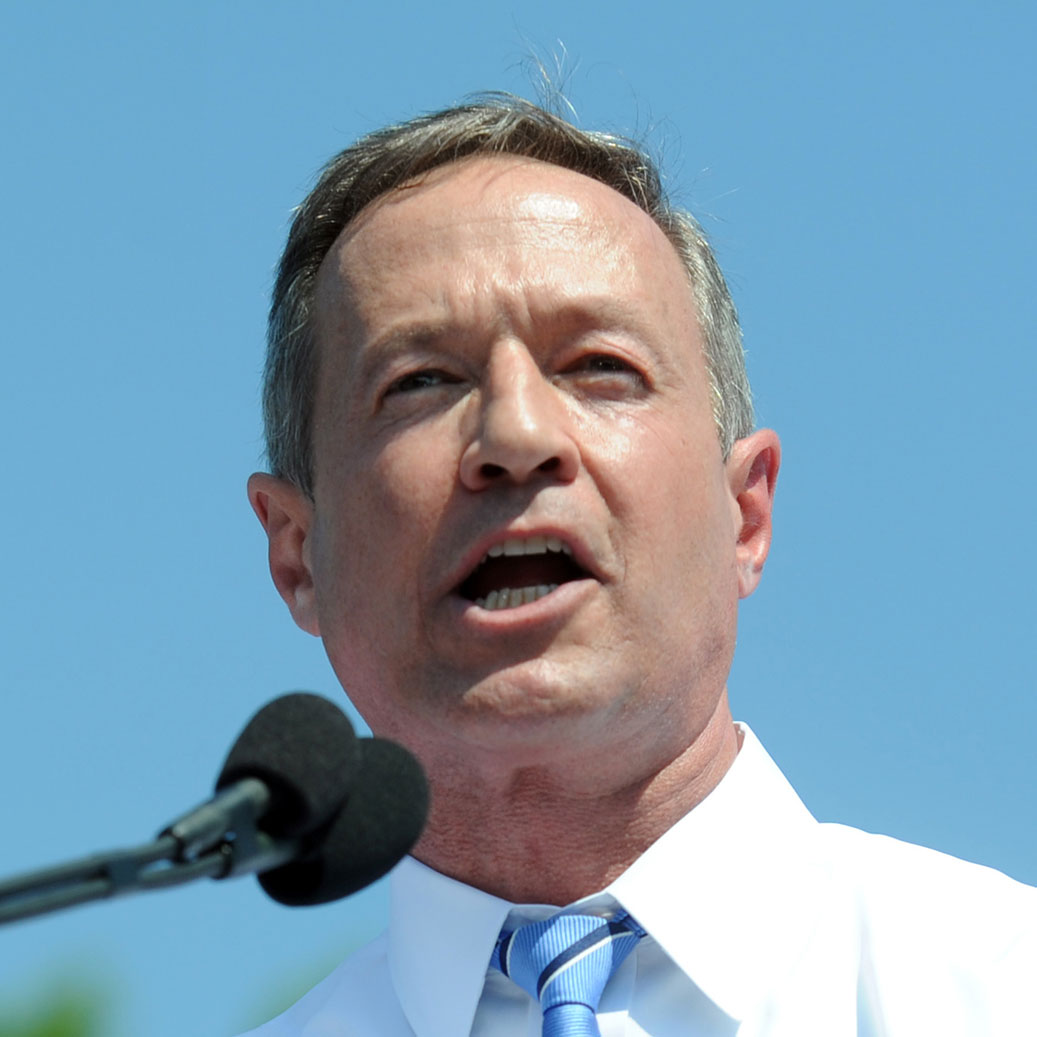
– Martin O’Malley, former governor of Maryland, 10-13;
– Lincoln Chafee, former governor of Rhode Island, 8-14.
Clinton gets support for her record. And as the poll suggests, many don’t know the alternatives.
“Obviously everybody knows Clinton,” said Lindsey Rue of Leicester. “I don’t know much about the other candidates.”
She praised Clinton, a former secretary of state, as one who “knows what’s going on.”
William Douglas, Corinne Kennedy, Chris Adams and Michael Doyle of the Washington Bureau contributed.
David Lightman: 202-383-6101, @lightmandavid
METHODOLOGY
This survey of 1,249 adults was conducted July 22-28 by The Marist Poll sponsored and funded in partnership with McClatchy. Adults 18 years of age and older living in the continental United States were interviewed in English or Spanish by telephone using live interviewers. Landline telephone numbers were randomly selected based upon a list of telephone exchanges from throughout the nation from ASDE Survey Sampler, Inc. The exchanges were selected to ensure that each region was represented in proportion to its population. Respondents in the household were selected by asking for the youngest male. To increase coverage, this landline sample was supplemented by respondents reached through random dialing of cell phone numbers from Survey Sampling International. The two samples were then combined and balanced to reflect the 2013 American Community Survey one-year estimates for age, gender, income, race, and region. Results are statistically significant within plus or minus 2.8 percentage points. There are 964 registered voters. The results for this subset are statistically significant within plus or minus 3.2 percentage points. There are 345 Republicans and Republican leaning independents and 450 Democrats and Democratic leaning independents. The results for these subsets are statistically significant within plus or minus 5.3 percentage points and plus or minus 4.6 percentage points, respectively. The error margin was not adjusted for sample weights and increases for cross-tabulations.
This story was originally published August 3, 2015 at 2:00 AM with the headline "Debate stage: Voters like Bush, Rubio. A lot don’t like Trump."