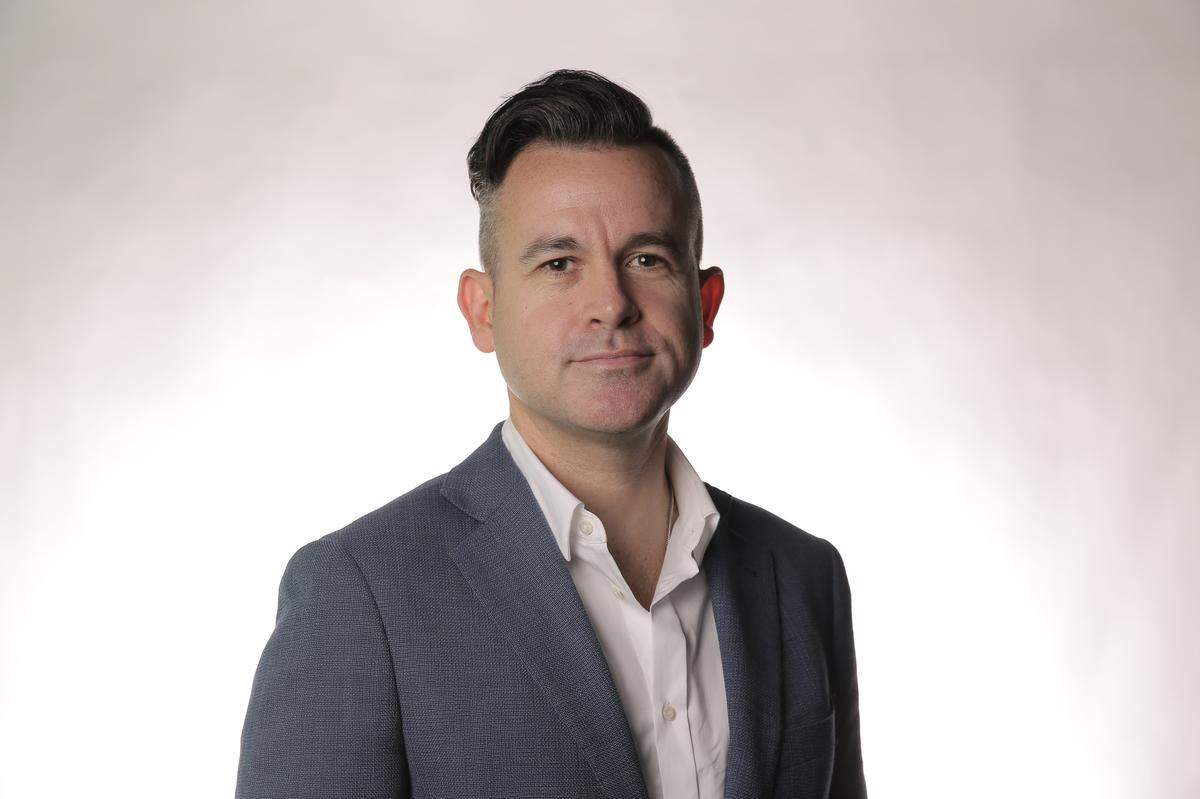
‘An MMA fight’: Lexington therapist lobbies Washington for help battling insurance companies
Over the past two years, Pam Marshall has more than doubled staffing for the four pediatric therapy clinics she runs in the Lexington area.
But even as her health care business has grown exponentially, she’s battling to stay afloat in this inflationary economy.
“Our profit margins are skinny and we have to fight, fight, fight,” Marshall said, seated inside Nationals Park in southeast Washington during a massive small business lobbying day convened by Goldman Sachs.
Marshall was one of four Kentuckians and among 2,500 small business people from across the country who swelled the capitol city’s major league baseball park this week to score precious facetime with members of Congress or their staffs.
And for Marshall – whose practice offers occupational, physical, behavioral and mental health services to children with disabilities – the most pressing issue she presented is getting insurance companies to reimburse more for the care she provides.
Unlike the bigger hospitals that hold firm negotiating power, Marshall said her smaller practice is constantly mired in fights with insurance companies. They claim payments for her care fall “out of network” or will delay stipends for months before requesting they be reprocessed. Large health care facilities regularly receive three or four times what her firm does for similar services. And sometimes the insurance companies will flat out refuse to pay out anything at all, she said.
“It’s like going into an MMA fight every day. Like, you’ve got to use different moves to fight them,” Marshall said of the insurance companies. “They do everything they can not to pay you. They hold all the power.”
What’s more is that most of Marshall’s clients are on Medicaid, the joint state-federal program that covers health care for the poor and disabled. Forty-three percent of Kentucky children are dependent on Medicaid or the Children’s Health Insurance Program, according to a Georgetown University report.
But in order to properly help the commonwealth’s half a million Medicaid-dependent children, Marshall is looking for more competitive reimbursement rates.
The data speaks for itself: Whereas Medicaid’s average payment is $98 per claim, Medicare’s is $137 and private insurers average $180, according to a 2021 analysis.
The weaker price point disincentivizes some clinics to even bother treating Medicaid patients, often leaving a vulnerable population lacking access to care.
Add inflation to the equation and the math makes it even more difficult for smaller healthcare outfits to swim above water.
“So here’s our pay, and here’s inflation,” Marshall said, jutting one arm in the sky and another to the ground to demonstrate the gap. “It’s this graph that doesn’t work.”
Marshall said her meetings with Sen. Mitch McConnell and Rand Paul’s staff were mostly listening sessions for the offices. She is no shrinking violet, asking the Paul staffer after her pitch, “So tell me what you’re going to do with the information you just heard?”
Her meeting with a member from Rep. Andy Barr’s office was scrapped at the last minute.
“They didn’t show and there was no message like saying they weren’t. I don’t know why they weren’t here,” she said.
Barr’s office said a legislative aide wanted to attend but had a conflict arise Wednesday morning and canceled the meeting prior to the event.
“Our office followed up with the group to offer to coordinate a future meeting and we look forward to hearing from them soon,” said Alex Bellizzi, Barr’s spokesman, who added that the congressman offered to meet with the Kentuckians in his Capitol Hill office.
In February, the Senate Finance Committee convened testimony around the importance of increasing reimbursement rates for providers. Democratic Sen. Bob Casey of Pennsylvania noted the inequities can lead to “terrible consequences for the pediatric workforce.”
But there doesn’t appear to be any federal legislative action in the short-run. Congress is currently focused on legislation that would target ways to lower prescription drug prices and extend health insurance subsidies for millions of Americans, goals that Marshall supports.
She knows it’ll be a long slog toward a victory on reimbursements, but also understands that persistent follow-up with lawmakers will be crucial to getting there.
“Every year it’s gotten worse,” she said of the payment gap for pediatric services. “And we have to right size that or fix it.”
This story was originally published July 21, 2022 at 11:11 AM.