
South Carolina farms' federal help could be in jeopardy
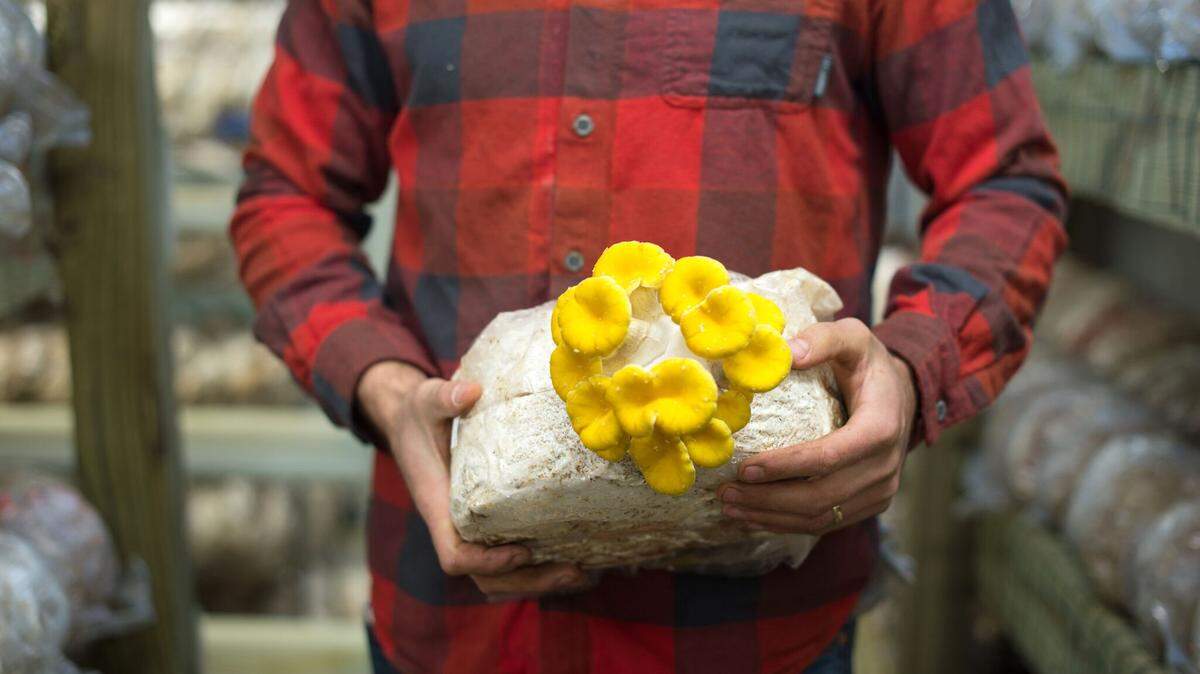
City Roots Farm in Columbia has boomed, due in part to federal help. Now, thanks to legislation Congress is considering, that aid could dry up.
The farm was looking to sell more microgreens — the early shoots of vegetables such as arugula and mustard — when it received a grant from the U.S. Department of Agriculture for 2015. A year later, it got a second federal grant to help distribute organic mushrooms.
The two grants totaled $160,000, which the farm matched. The federal money amounted to about 10 percent of the farm's budget, said Eric McClam, a co-owner.
Before the grants, the farm sold its greens and mushrooms largely to local restaurants and food hubs. Today, it sells to 32 Whole Foods stores in the Southeast, as well as to distributors such as Sysco and U.S. Foods. It's also grown from less than 10 employees to about 20.
City Roots started as an urban farm in the Rosewood neighborhood with just over two acres of land. It now includes an 80-acre site called Tupelo Farm 15 minutes away, where the farm grows additional vegetables and flowers, McClam said.
Its efforts to get more federal money depend on the Congress' farm bill, which sets funding for major agricultural programs, food stamps and rural development programs. It’s typically renewed every five years, and the current law is set to expire in September.
The House’s bill, which failed due to an unrelated immigration dispute among Republicans, didn’t provide any funding for grant programs meant to encourage local food consumption, grow farmers’ markets and help with food distribution and post-harvest efforts.
Ending that funding would mean an end to the grant program that's helped City Roots.
But the Senate’s bill, proposed last week by the chamber’s agriculture committee, offers $60 million annually for the three programs.
We’re kind of waiting to hear from the federal government what’s going to happen, and with the farm bill it’s up in the air completely. It’s hard for us,” McClam said. “We’re small. These things have a great impact on us.”
If the programs are funded in this year's farm bill, City Roots hopes to apply for more grants, which could help them grow and distribute edible flowers and hemp.
The Senate’s bill would legalize as an agricultural commodity.
Swamp Rabbit Cafe and Grocery in Greenville has received two local food promotion grants matching its spending to expand its grocery store and butchery. Both buy products predominantly from local farms, said farm co-owner Jac Oliver.
In the two-year duration of the grant for the expansion of their grocery store, Swamp Rabbit hired 60 additional employees, bringing its total to 80, and increased its local food purchases significantly, Oliver said.
Before receiving its second USDA grant, the store only sold vacuum-sealed or frozen meats, since local farmers had to take their livestock elsewhere to be butchered and then ship the meat to the grocery store. But as of January, the store has sold fresh meats from its own butchery.
The grants were the “critical” initial capital for these projects, Oliver said.
“[The grant] is a huge catalyst to make the whole food system in that area improve,” Oliver said. “A small amount of money creates this huge ripple effect between the farms and the businesses or nonprofits that are supporting local foods.”
This story was originally published June 12, 2018 at 3:18 PM with the headline "South Carolina farms' federal help could be in jeopardy."