DNA from woman’s rape kit used to arrest her years later in California. Now she’s suing
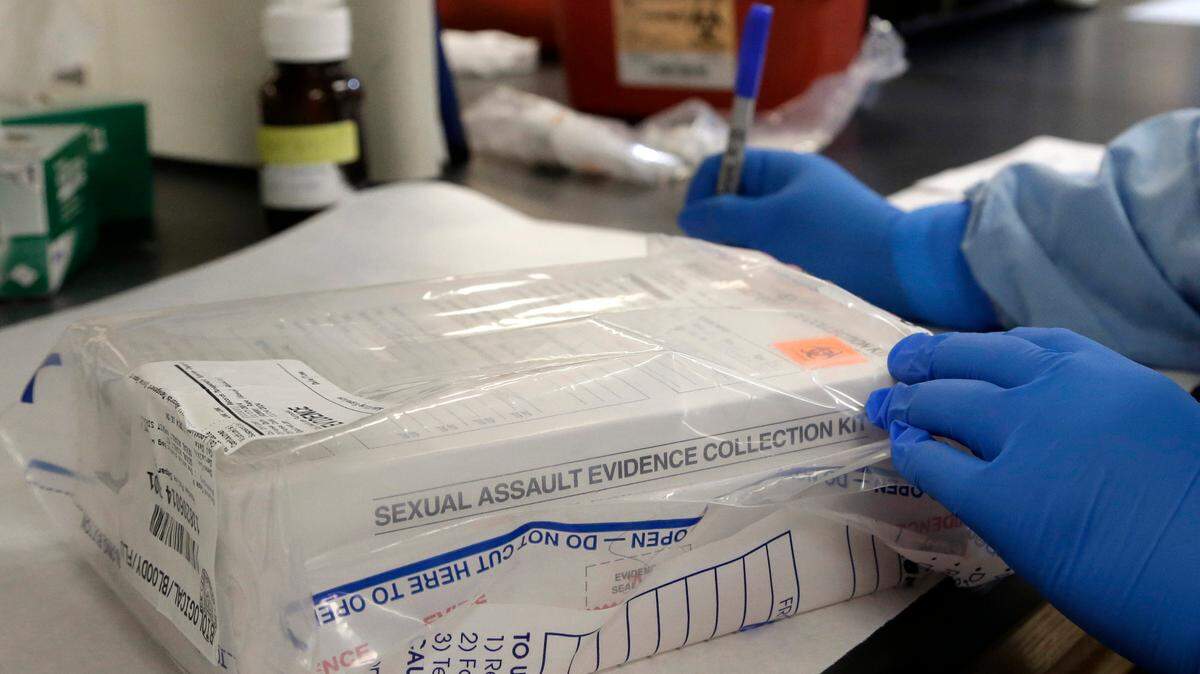
A California woman said she thought police would use the evidence she gave in a rape kit to investigate her attacker. Instead, they used it to arrest her more than five years later in a totally unrelated crime, according to a federal lawsuit filed Monday, Sept. 12.
The woman, referred to in the lawsuit by the alias Jane Doe to protect her identity, is suing the San Francisco Police Department, accusing it of improperly using her DNA sample from 2016 to connect her to a property theft last year.
California’s patient consent form does not include language that would allow for DNA samples from sex crime victims to be stored and used for unrelated investigations, according to the lawsuit.
“I didn’t know that it would be used against me,” she said in a news release shared by her attorney. “I just feel violated again.”
Though the charges against her were later dropped, the ordeal revealed the department routinely stored crime victim’s DNA in a database and used it to investigate unrelated crimes, her attorney said in a news release.
“This practice creates distrust in the public and heightens the harm done to sexual assault victims, who in many instances already fear going to police,” civil rights attorney Adante Pointer said in the release.
The case also raises questions about how widely the practice is used in California and across the country, he added.
After facing backlash from public officials, the San Francisco Police Department announced in February that it would no longer “misuse” evidence collected from sexual assault victims, KRON4 reported.
In a statement, a spokesperson for City Attorney David Chiu said their office would respond when served with the lawsuit.
Director of Communications Jen Kwart pointed out legislation the San Francisco Board of Supervisors passed in April prohibits any city department, including the police department, from storing any DNA profile obtained from crime scene evidence for longer than two months. That includes DNA profiles obtained from a rape kit.
“The City is committed to ensuring all victims of crime feel comfortable reporting issues to law enforcement and has taken steps to safeguard victim information,” Kwart wrote.
Another bill currently in the California legislature would prohibit local law enforcement agencies from using the DNA of a sexual assault survivor to incriminate them or their close contacts in unrelated crimes, according to KRON4.
Sen. Scott Wiener, who wrote the bill, commented on the bill’s importance in a news release.
“It’s already hard enough for sexual assault survivors to make the decision to come forward, report a crime, and undergo an invasive rape kit exam at the hospital,” Wiener wrote.
“The last thing we need is to send a message to survivors that if they come forward, their DNA sample may be used against them in the future,” he said. “We need to be clear and unequivocal that we support survivors and that providing a rape kit DNA sample will be a safe and respectful process.”