Millions now eligible for cheaper — or even free — high-speed internet. What to know
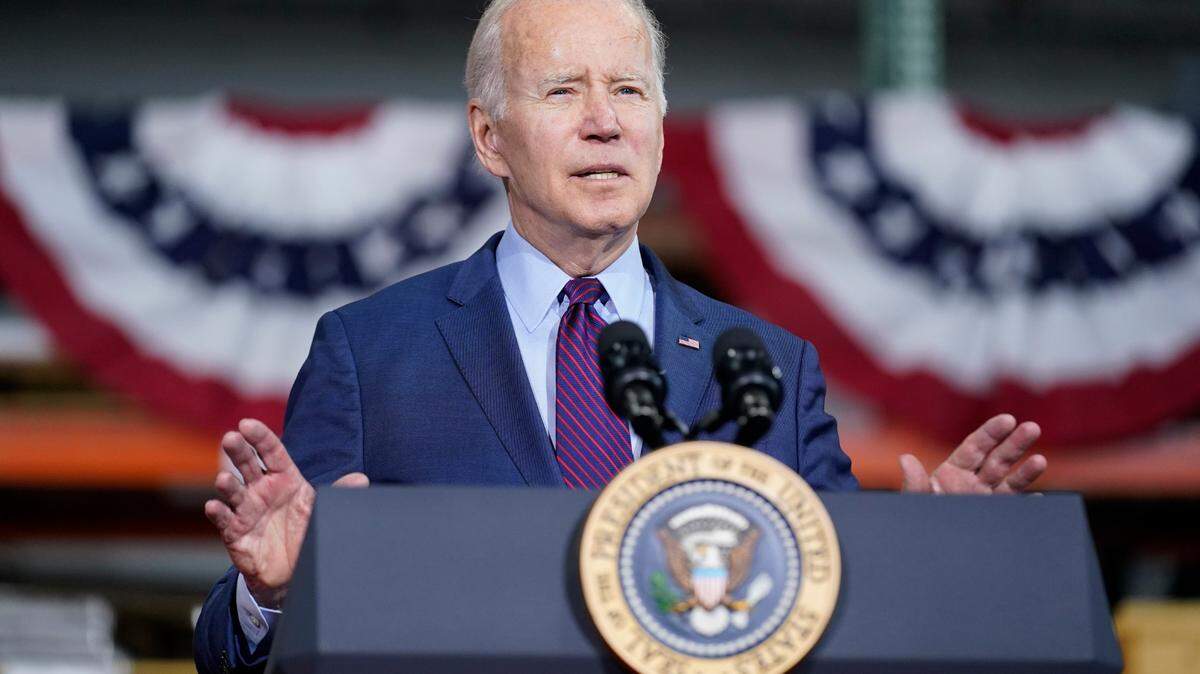
President Joe Biden’s administration said 20 internet providers have agreed to lower the costs of high-speed internet for tens of millions of people in the United States.
On May 9, the Biden administration announced that tens of millions of Americans are eligible to have their internet costs reduced by up to $30 per month through the Affordable Connectivity Program (ACP), created as a part of the Bipartisan Infrastructure Law.
“High-speed internet service is no longer a luxury — it’s a necessity,” the White House said in a news release. “But too many families go without high-speed internet because of the cost or have to cut back on other essentials to make their monthly internet service payments.”
The Biden administration said 20 internet providers that cover more than 80% of the U.S. population “across urban, suburban, and rural areas” committed to either increase the speeds of their internet services or cut their prices to offer “ACP-eligible households high-speed, high-quality internet plans for no more than $30/month” with no fees or data caps.
Families that live on tribal lands are eligible for a discount of up to $75 a month.
The 20 service providers, such as AT&T, Comcast and Verizon, already offer high-speed internet plans for $30 a month or less — meaning if eligible households apply their ACP benefit to one of these plans, they will have ”no out-of-pocket cost for internet,” according to the White House.
As of May 9, about 1,300 internet service providers total participate in the program, including some of the larger providers as well as local providers covering rural areas, according to the White House. Eligible households can also choose to apply their ACP benefits to one of their plans.
The White House said more than 11.5 million people in the U.S. have signed up for the program, and it estimates that 48 million households — about 40% of U.S. households — could qualify for the ACP.
Households are eligible for the benefit if they earn 200% of the federal poverty guidelines or less, if they “meet the eligibility criteria for a participating broadband provider’s existing low-income internet program” or if someone in the household participates in one of these qualifying programs, according to the White House:
▪ Supplemental Nutrition Assistance Program
▪ Medicaid
▪ Special Supplemental Nutrition Program for Women, Infants, and Children
▪ Supplemental Security Income
▪ Federal Public Housing Assistance
▪ Veterans Pension and Survivors Benefit
▪ A free or reduced school lunch program
▪ Federal Pell Grant
▪ Lifeline
▪ “Certain Tribal assistance programs”
The Biden administration defined a high-speed internet plan as “one that offers download speeds of at least 100 megabits per second everywhere that the provider’s infrastructure is capable of it.”
“That’s fast enough for a typical family of four to work from home, do schoolwork, browse the web, and stream high-definition shows and movies,” White House officials said.
Federal agencies such as the Social Security Administration and Medicaid, as well as states and cities and public interest organizations such as Goodwill and United Way will contact eligible households, according to the release.
This story was originally published May 9, 2022 at 11:19 AM.