
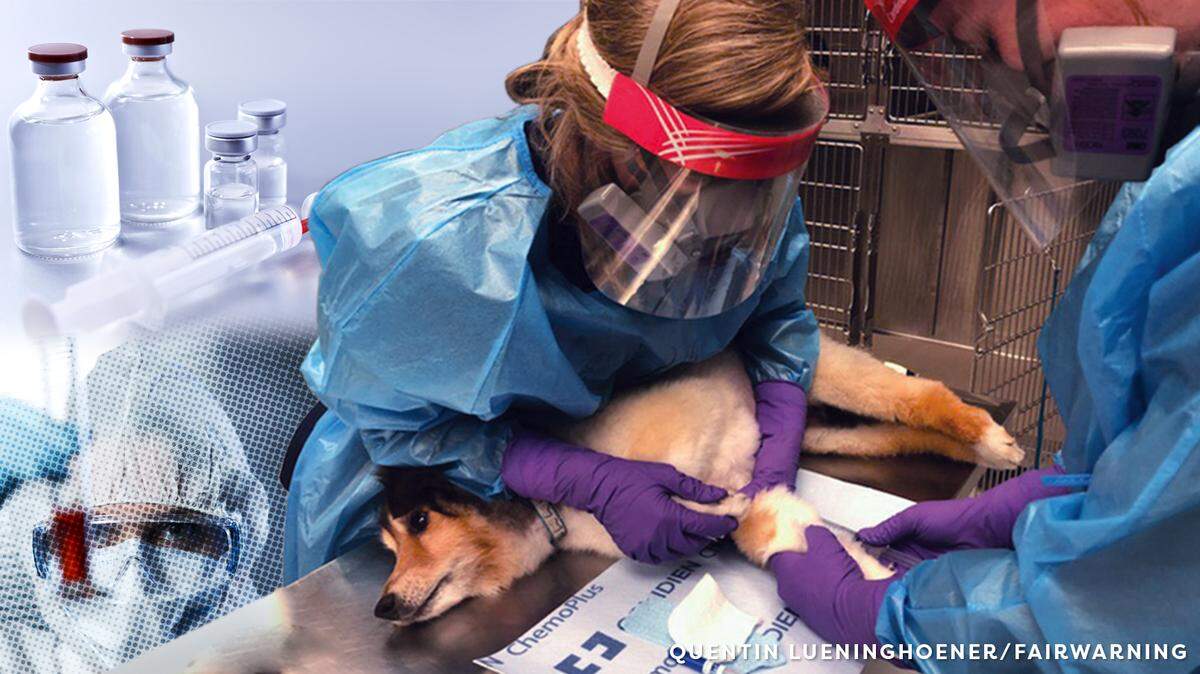
With a rise in chemotherapy for pets, veterinary staff is at increased risk for exposure
During a 2006 biopsy of a worrisome growth on his thyroid gland, while a needle was still lodged in his neck, Arizona veterinarian Brett Cordes was surprised by a question from his endocrinologist.
The doctor, Cordes said, “asked me if I handled chemotherapy and hazardous drugs” at work, and he acknowledged that he did. For Cordes, who eventually was found to have a rare thyroid affliction called Hurthle cell cancer, the exchange with the physician was life-changing. Cordes vowed that, from then on, he would protect himself from the risky exposures that veterinarians and their assistants can encounter on the job, and would urge colleagues to do the same. Cordes remembered thinking to himself at the time, “I’m not as invincible as I thought I was, and I’m too cavalier. What have I been doing all this time?”
Fortunately Cordes, at age 47, says he now is considered cancer free. It’s impossible to know for sure what caused his disease. But Cordes, who began working in a veterinary clinic doing cleanup while in his teens, is convinced it was his longtime on-the-job exposure to chemotherapies and other hazardous drugs used to treat pets. It spurred him to become an advocate in a successful push for tougher safety standards, due to take effect in December 2019, for handling hazardous drugs in veterinary medicine and throughout health care.
Working as a veterinarian or as an assistant in a veterinary clinic never has been for the faint-hearted. While bites and scratches are the most common injuries, other hazards abound. They include accidental needlestick punctures, afflictions known as zoonotic diseases that can pass from animals to humans, back injuries from lifting and holding animals, along with exposure to anesthetic gases and radiation.
In a 2016 federal survey, veterinary services posted the second-highest rate of nonfatal job-related injuries and illnesses among all of the U.S. industries tracked. What’s more, studies have found that veterinarians for years have had high suicide rates, and the profession increasingly has focused on that problem.
But cancer treatment for pets has boomed in recent decades, reflecting a surge in spending on veterinary care as Americans increasingly have doted on their dogs and cats. The growing amount of chemotherapy has raised a safety threat: increased exposure to drugs that not only treat cancer but can also cause the disease, as well as other afflictions.
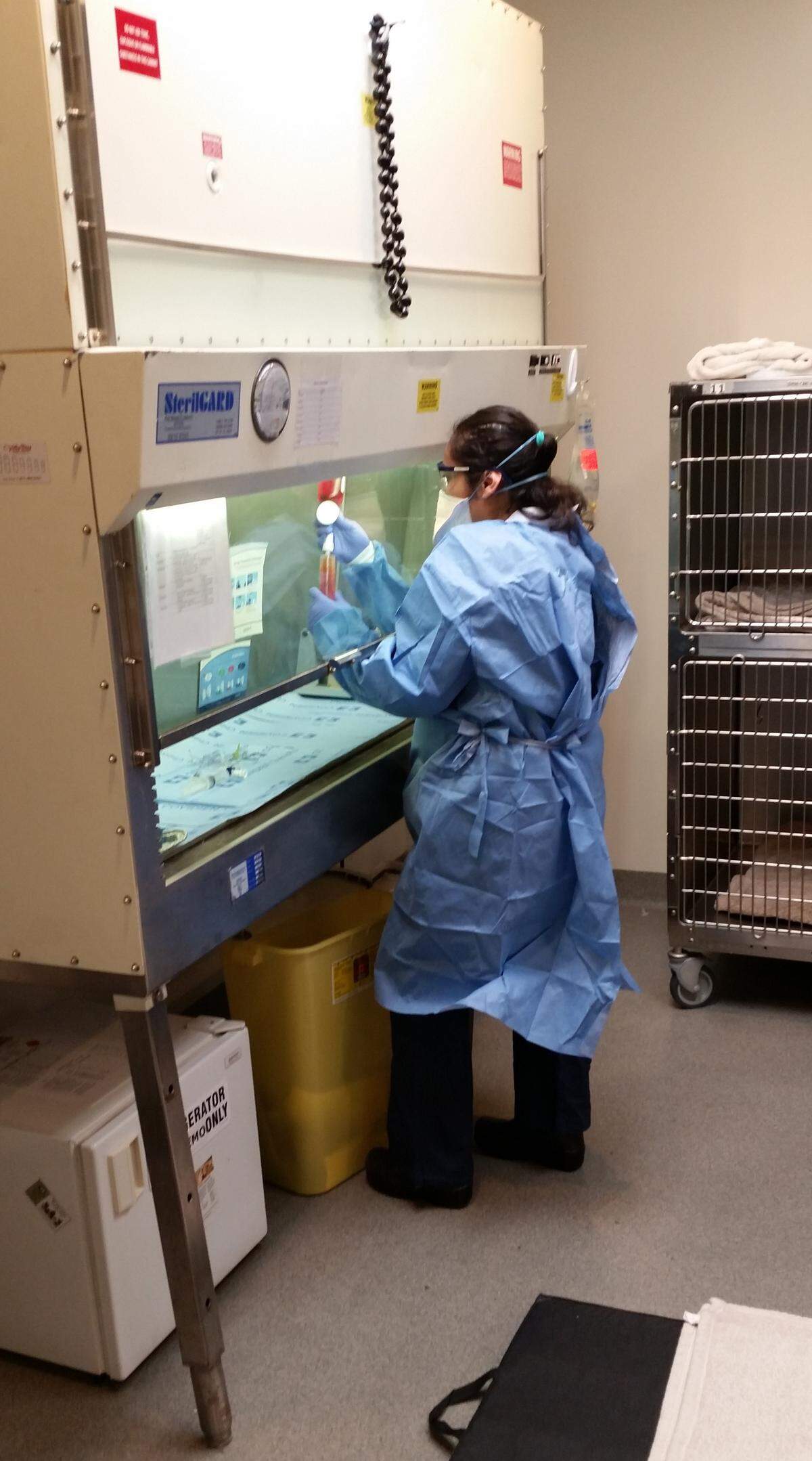
Experts say there is scant research on workplace exposure to chemotherapy drugs in veterinary medicine, and many caution against overreacting to the risk. “We want to be careful, but we don’t want to be paranoid,” said Annette N. Smith, an Auburn University professor and lead author of a “consensus statement” published this year that focused on ways to minimize harm to veterinary workers and pet owners exposed to chemotherapy drugs.
Still, there have been worrisome research findings in human medicine. That’s particularly true for women, who dominate the veterinary work force. Studies have identified heightened risks of infertility, spontaneous abortions, chromosome abnormalities and possibly leukemia and other cancers among nurses and other health care workers who handle chemotherapy drugs in human medical care. “The only known safe level of chemotherapy exposure is no exposure,” cautioned Daina Budreckis, a veterinary oncologist – a cancer specialist – in Ventura, California.
Although chemotherapy doses tend to be much lower in veterinary medicine, safety practices in veterinary settings often fall short of the norm in human health care. As a 2014 study put it, “human outpatient cancer clinics are staffed with medical oncologists and trained oncology nurses” while in veterinary medicine, “chemotherapy in local practices is literally placed in the hands of general practitioners, staff, and pet owners, without any oversight to evaluate the safety of administration.”
The risks are widely thought to be greatest at rural or small-town veterinary clinics that don’t routinely provide chemotherapy. They typically serve pet owners who live too far from, or can’t afford, veterinary hospitals with cancer specialists.
Small-town veterinarians “have to do everything,” including chemotherapy treatment that “they’re not trained to do,” said Lisa Parshley, a veterinary oncologist and former president of the Washington State Veterinary Medical Association. Parshley, who has worked with officials on implementing a pioneering 2011 Washington law regulating the handling of hazardous drugs, including chemotherapy agents, has observed veterinary clinics around the state. When it comes to drug handling at independent general veterinary practices, some are doing “a really good job,” Parshley said. “And then I think there are some that are appalling. I won’t lie.”
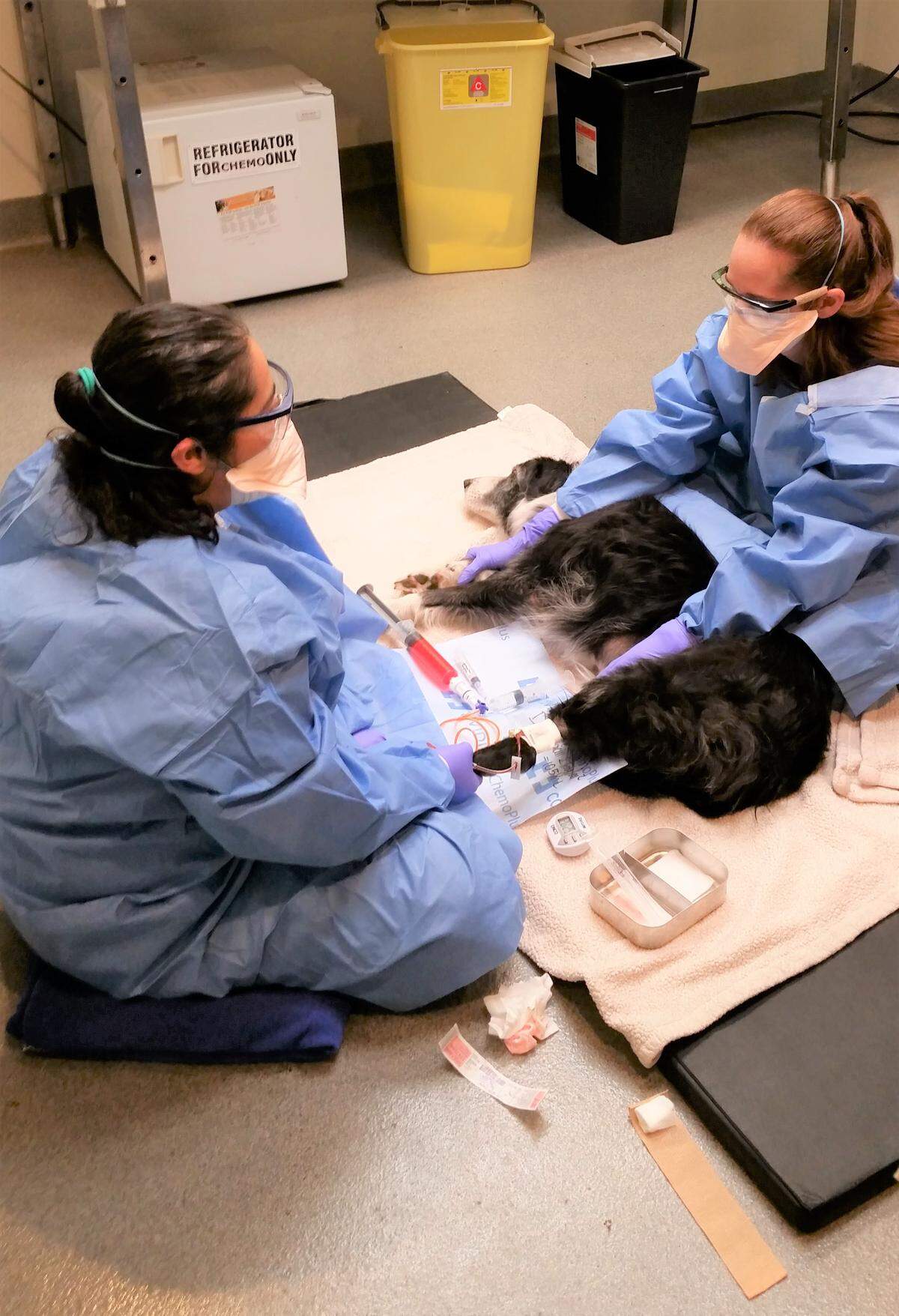
Kim A. Selting, president of the Columbia, Missouri-based Veterinary Cancer Society and a University of Illinois associate professor, agreed that “there are certainly people who are using chemotherapy and being nonchalant about it, being just too cavalier with chemotherapy safety.” That happens, Selting said, even though there are readily available devices and techniques to prevent exposures .
Advanced expertise in providing chemotherapy to animals is in short supply. Veterinary oncologists – who typically go through four or five years of additional training after becoming veterinarians — remain a rare breed. There are somewhat over 110,000 veterinarians in the U.S., but fewer than 600 are board-certified oncology specialists, according to American Veterinary Medical Association figures.
Yet even veterinary teaching hospitals — which along with big-city specialty hospitals are generally thought to do the best job in handling chemotherapy safely — may sometimes slip up. At Michigan State University’s veterinary teaching hospital, federal evaluators in 2010 found substantial lapses.
Separately, a Vancouver, Washington, office of BluePearl Veterinary Partners – one of candy maker Mars Inc.’s four veterinary chains, the biggest web of veterinary operations in North America — was accused in January of 18 workplace violations by state authorities. One citation said ventilation equipment “did not function correctly throughout the time the oncology services have been offered, approximately 2 years,” possibly exposing employees to toxic chemotherapy agents over that period.
BluePearl is appealing the citations. BluePearl and Mars officials declined to be interviewed for this story but, in an email, company officials said they “disagree with many of the factual findings” by state inspectors.
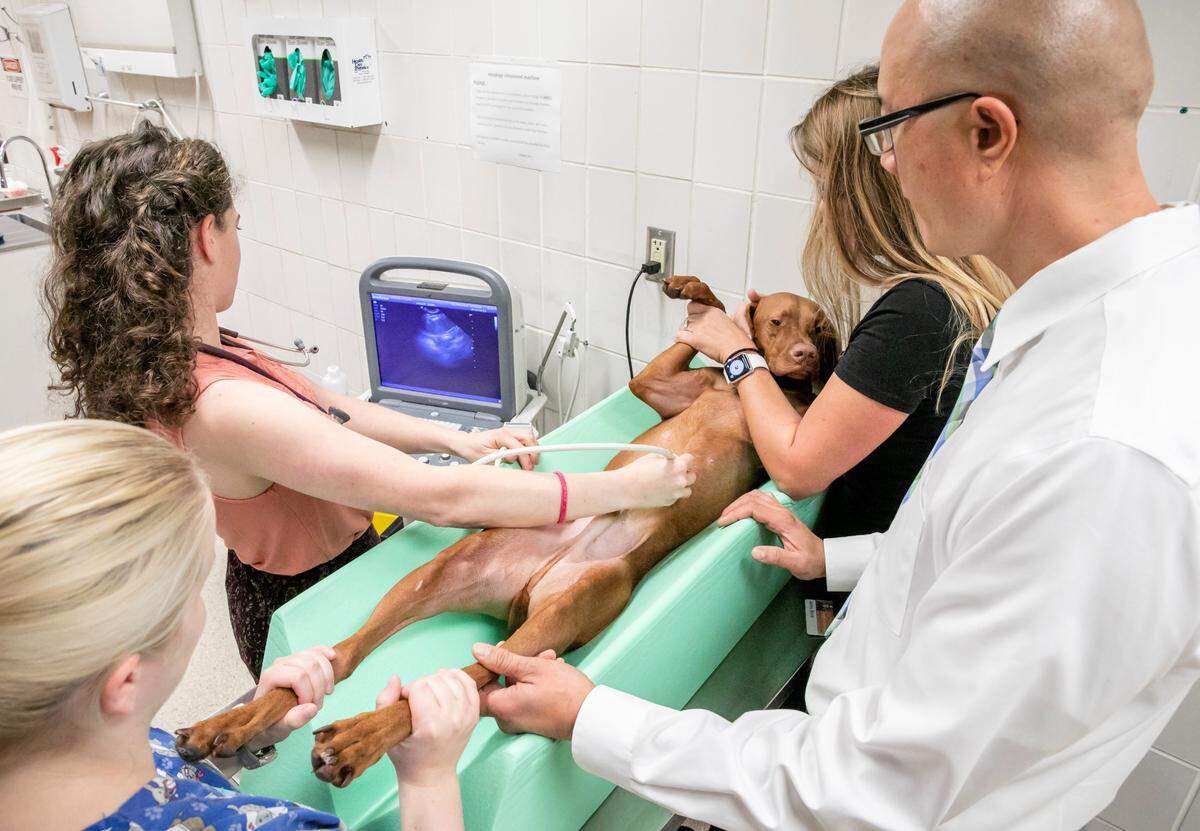
A key issue, safety advocates say, is the inconsistent training and supervision of staffers who are the workhorses of veterinary practices. There are two-year college programs for veterinary technicians, and four-year programs for veterinary technologists, but much of the work force is trained on the job.
State credentialing programs – such as programs to become a registered veterinary technician – include some occupational safety training. However, “there are veterinarians out there who are using people who are untrained and don’t know any better and can end up exposing themselves” to chemotherapies, X-ray radiation or other hazards, said Liz Hughston, a registered veterinary technician in San Jose, California, and president of the fledgling National Veterinary Professionals Union.
Cordes left veterinary practice for nearly a decade after developing cancer. He worked in the pharmaceutical industry, selling safety products to veterinarians. Then, in 2015, Cordes returned to practicing veterinary medicine by opening a clinic in Scottsdale, Arizona, that he says was built with a focus on workplace safety.
But when it comes to dealing with chemotherapy drugs, Cordes is finished. If his clients want chemotherapy for their pets after he lists the pros and cons, Cordes refers them to a veterinary oncologist, counting on these specialists to take strict safety precautions.
“We don’t handle chemotherapy drugs,“ he said. “That’s my solution. It’s to abstain from it.”
This story was produced by FairWarning, a nonprofit news organization based in Southern California that focuses on public health, consumer and environmental issues. A longer version of the story appears at www.fairwarning.org.
This story was originally published October 18, 2018 at 5:00 AM.