Missouri asking for help from federal ‘surge response teams’ as Delta variant spreads
READ MORE
Missouri COVID-19 delta variant surge
Missouri is experiencing a rise in COVID-19 cases and hospitalizations due in part to the spread of the delta variant. Read our latest coverage.
Expand All
As Missouri experiences a rise in COVID-19 cases and hospitalizations, state officials have requested aid from newly-formed federal “surge response teams” to assist communities struggling with low vaccination rates as the virulent Delta variant spreads.
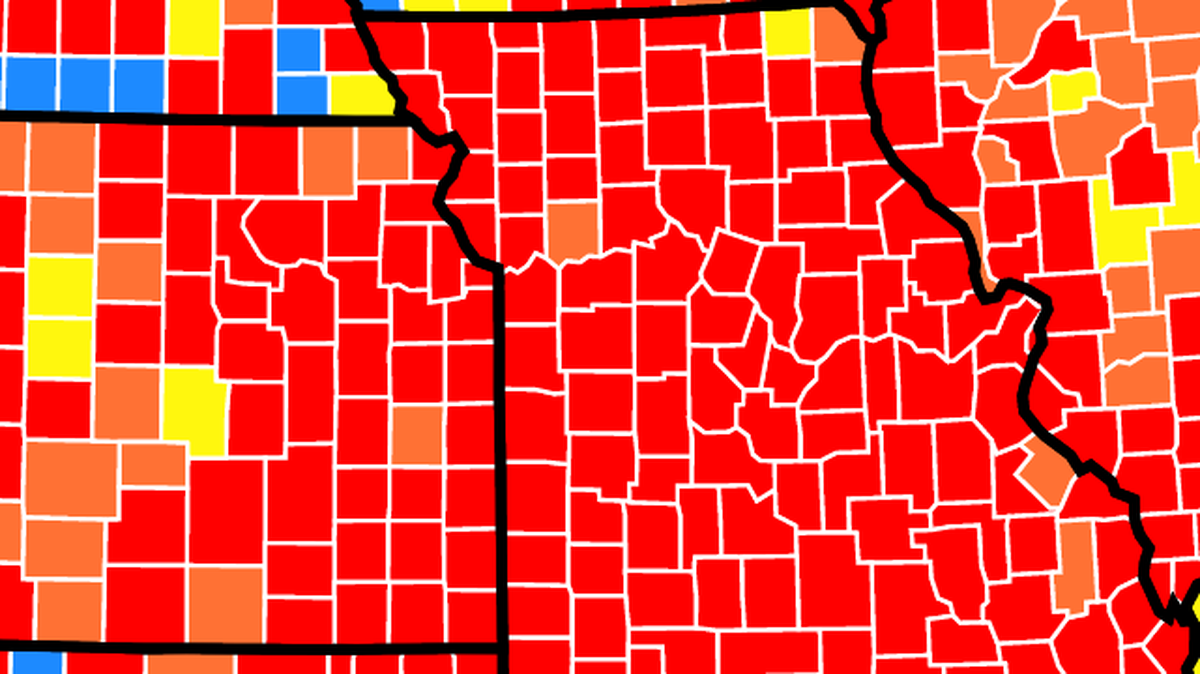
Missouri last week had the highest rate of Delta variant cases in the country, the Centers for Disease Control and Prevention has estimated. It remains in the bottom half of states in vaccinating residents and many counties have fully vaccinated less than 25% of residents, according to data compiled by The New York Times.
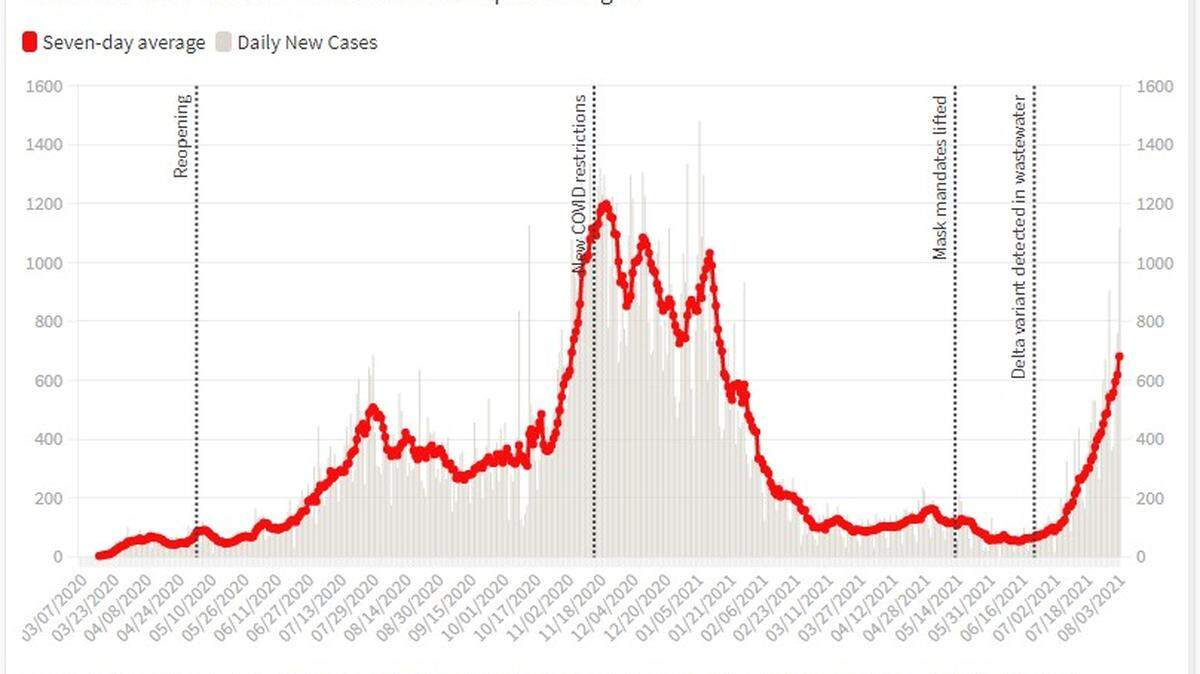
The state is again reporting more than 1,000 cases a day for the first time since February and virus-related hospitalizations have risen by more than 300 since late May to more than 900 currently.
Missouri Department of Health and Senior Services spokeswoman Lisa Cox confirmed Thursday the state has requested the new federal help. Cox didn’t immediately provide additional details, but the request shows the Parson administration is moving to bolster the state’s pandemic response.
The White House, which unveiled the teams on Thursday, didn’t publicly identify specific states where it plans to offer assistance but said Delta factored into its decision to ramp up its response.
A White House official confirmed to McClatchy that the administration is working with Missouri since it requested federal aid. The CDC is working “closely” with the Missouri Department of Health and Senior Services to identify their specific needs, the official said, preparing to mobilize a team to the state that will focus on vaccine confidence efforts, epidemiology, surveillance and sequencing support related to the Delta variant.
“These are dedicated teams working with communities at higher risk for, or are already experiencing outbreaks due to the spread of the Delta variant and their low vaccination rate,” White House COVID-19 Response Coordinator Jeff Zients said at a briefing.
Zients said the teams would help boost testing in communities to allow for contact tracing, provide treatments for those infected and, where needed and requested, send personnel to “address gaps and augment” local staff.
Gov. Mike Parson, a Republican, has been focused in recent weeks on promoting Missouri’s economic strength coming out of the depths of the pandemic. But as Delta takes hold and indicators such as cases and hospitalizations head in the wrong direction, he’s begun to sound new notes of caution.
“What people need to know, this virus is still here,” Parson told reporters on Wednesday. “And it’s going to be here, it’s just not going to go away.”
Parson has focused on making vaccines accessible and while he has encouraged people to get vaccinated, he has framed it in terms of personal responsibility and refused to take a strong position against those who refuse. He said Missouri is attempting to market vaccines statewide.
“But the reality is people are going to have to have the responsibility to know this is still there, we’re still gonna have to deal with it,” Parson said. “And you’re gonna have to take responsibility, to take the vaccine, if you so choose to. But you know, I think it’s important to understand that there’s risk involved.”
Missouri state lawmakers on Wednesday threatened to effectively prohibit hospitals from requiring employees to be vaccinated against COVID-19. During a special session on Medicaid, the House briefly debated an amendment that would have stopped hospitals from challenging employees who request exemptions from vaccine mandates on religious or medical grounds.
While the amendment was withdrawn, the debate itself underscored the unwillingness of some elected officials to aggressively push vaccines, even in the face of rapidly rising cases.
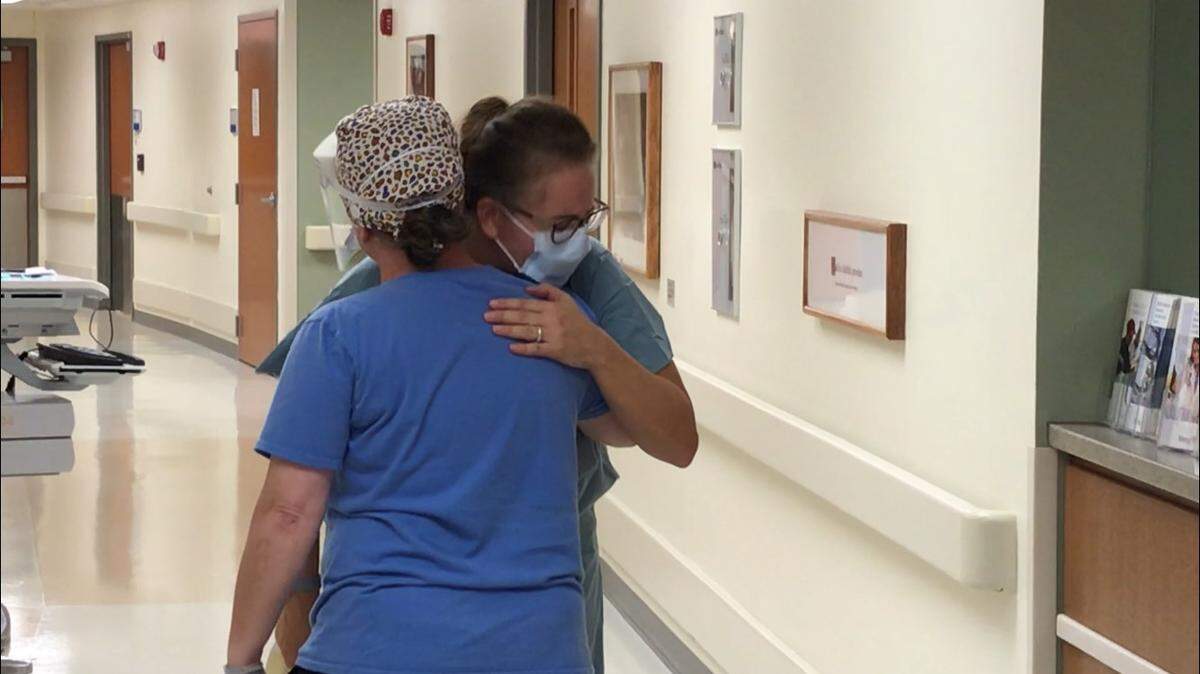
As cases rise in Missouri, so have hospitalizations. While they remain under their winter high points, the current trends are concerning health officials who led overburdened doctors and nurses through a dark and chaotic winter.
They are especially frustrated by rising case counts, given the widespread availability of vaccines. At Springfield-based CoxHealth, the number of virus patients in its southwest Missouri locations hovers near 100.
“If you are making wildly disparaging comments about the vaccine, and have no public health expertise, you may be responsible for someone’s death. Shut up,” CoxHealth CEO Steve Edwards tweeted Thursday.
Kansas City health leaders are closely monitoring the surge in Springfield, where rising hospitalizations could lead to patients being transferred to the metro region. The average daily number of new COVID hospitalizations in the metro rose from 37 on June 7 to 58 on June 28, according to the Mid-America Regional Council.
“Clearly an upward trend,” Steve Stites, chief medical officer at The University of Kansas Health System, said.
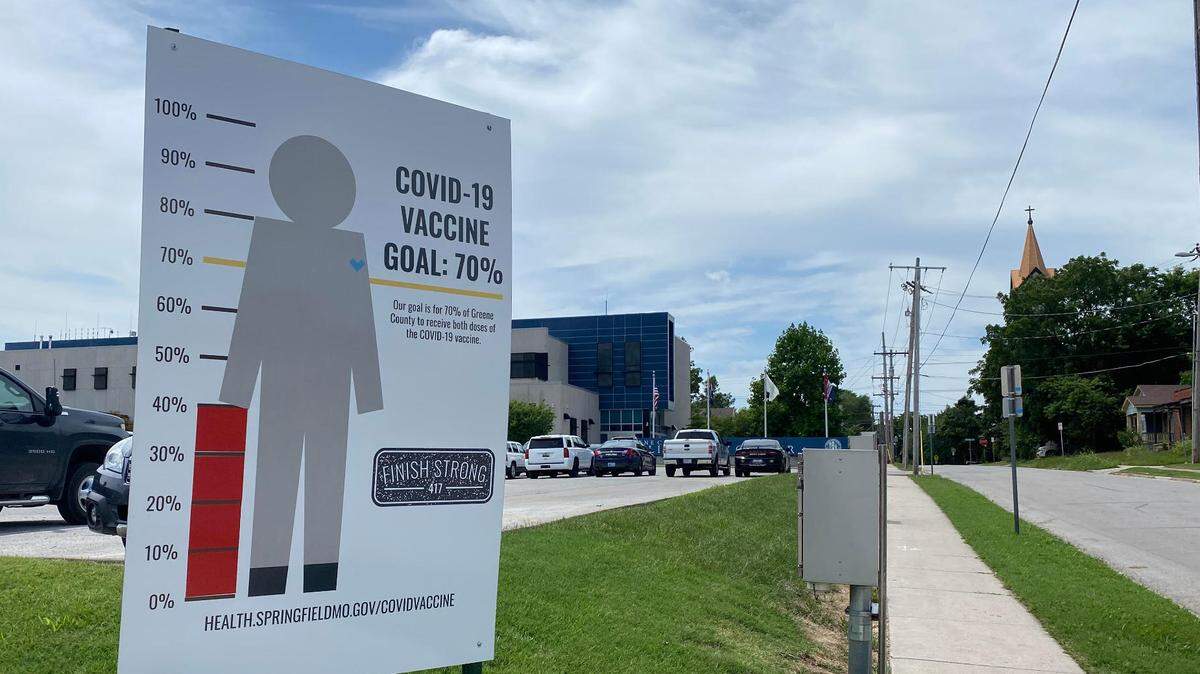
Missouri remains one of the least-vaccinated states. About 44% of the population has received at least one dose, and 39% have completed vaccination. By comparison, in the most-vaccinated state, Vermont, nearly 75% of residents have gotten at least one shot.
More than 70% of residents over age 60 — the population most at risk from COVID — are at least partially vaccinated, according to the Missouri Hospital Association. Vaccination rates remain much lower among younger residents, however, and overall vaccinations have fallen off a cliff.
In early April, Missouri averaged about 55,000 vaccinations a day. Now, it’s down to about 6,200.
Health officials have struggled to drum up interest as mandatory precautions, if they were even in place, are long gone and incentive programs found in other states haven’t been adopted. Parson has previously demurred on the idea of holding a lottery, though he said Wednesday that “everything’s on the table right now.”
“Missouri has made important progress in protecting the most vulnerable from the most deleterious effects of the virus,” Missouri Hospital Association President and CEO Herb Kuhn said in a statement. “Unfortunately, the arrival of the Delta variant in Missouri is driving transmission of the virus, and is resulting in increased illness and hospitalization among a younger population and the unvaccinated — a tragic consequence considering the vaccine’s effectiveness at reducing hospitalizations and deaths.”
The Star’s Jeanne Kuang contributed reporting
This story was originally published July 1, 2021 at 2:56 PM with the headline "Missouri asking for help from federal ‘surge response teams’ as Delta variant spreads."


.JPG)