Miami-Dade demanded pawn shops close. Florida, calling them ‘essential,’ lets them reopen.
Pawn shops and select jewelry stores reopened Monday, freshly deemed “essential” companies since they are providers of unconventional financial services to a population that is often underserved by lenders.
The shops had been ordered closed last week as part of Miami-Dade County Mayor Carlos Gimenez’s sweeping mandate to shutter non-essential businesses in a bid to slow the spread of the coronavirus. Now pawn shops and jewelers join banks, grocery stores and gas stations as so-called essential companies still open for business.
With South Florida already on a lockdown, local pawn shops described activity as light on Monday. But that could be the calm before the storm. Millions of Floridians are likely to file for unemployment in the coming weeks and government stimulus efforts, however helpful, appear a few weeks off.
Past downturns have forced low-income borrowers to turn to pawn shops and other forms of unconventional emergency lending, but this time is different — it’s an across-the-globe and across-the-economy abrupt halt in business activity as people are forced to stay at home to limit the spread of the virus. In South Florida, millions of hospitality, tourism and entertainment industry employees will be out of work at once.
And while unemployment insurance payments will help, the bills will still mount up. Pawn shops traditionally provide cash to some who live paycheck to paycheck, accepting something of equal value to the loan as collateral. Many also outright purchase watches, gold and diamond rings and precious stones.
“We definitely service the unserved segment of the community,” said Eduardo Jimenez, owner of four Miami pawn shops operating under the Daddy’s Cash name. He added that pawn shops are “most critical at these moments in time when things are disrupted.”
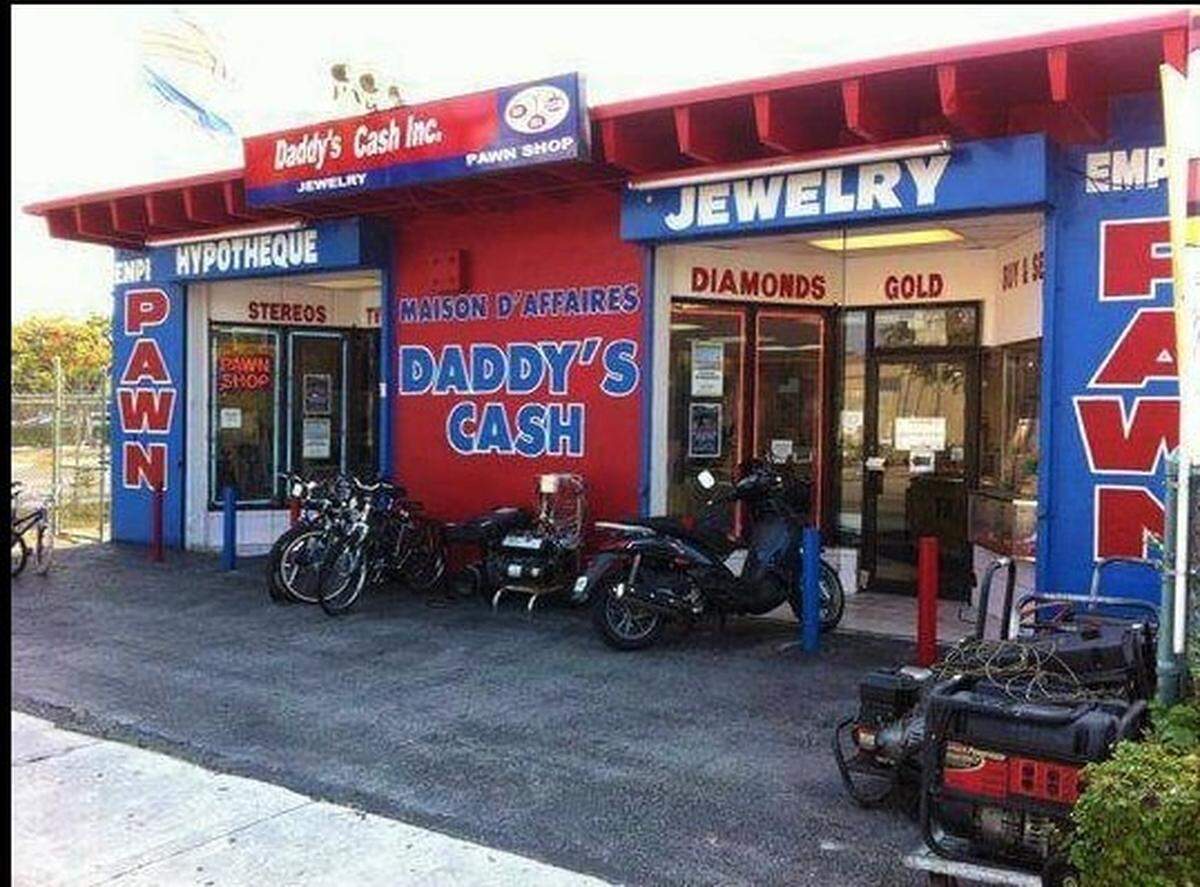
For the first day back from a three-day closure, Monday was busy but not bustling for Jimenez.
“We’re just going to take it day by day,” he said.
Two of his stores are closed, two are open and those two have had their hours cut back to between 9 a.m. and 1 p.m., he said, adding they are operating with half the normal staffing levels.
Over in Hialeah, Destiny Jewelers reopened Monday and owner Ramon M. Farres described the traffic as slower than usual. But he is open for business at a time when most of the city is closed.
What does he expect?
“Your guess is as good as mine. We’ve never seen anything like this,” said Farres, whose family has owned the business since 2005.
If the virus continues to impact local businesses, more people will stream in to to turn their jewelry into quick cash, said Leydi Pérez, as she stood behind a thick glass partition at Leydi Cash Jewelry near The Hammocks area of West Kendall. She runs the store with her husband, Ciro.
“It happened in 2008 after the economic crash,” she said. “When things start getting out of hand, people get desperate.”
The industry research group IBIS World estimated that the size of the pawn industry nationally is $5.8 billion for 2020, employing more than 41,000 people across nearly 12,000 businesses. Pawn shops have slid over the past five years as the economy grew steadily and gold prices fell.
When times are good, more than three quarters of pawn shop borrowers pay off their loan and reclaim the diamond ring or gold watch they offered as collateral. They’ve done so on a 30-day loan that has around the highest rates allowed by state regulators. If the loan is extended, compounding rates compound the challenge of repayment.
Pawn shops often serve a segment of the population that’s called the unbanked — people without a checking account or who cannot qualify for a credit card. They tend to operate in poorer areas and can be polemic. Some consumer groups view the business model as usury while those in the business argue they act as a lender of last resort.
The unbanked are a segment unlikely to get direct help from the stimulus efforts that are expected to help get cash in the hands of workers. That’s why consumer advocacy groups are asking the federal government, as part of stimulus efforts, to extend to all consumers the protections given to military service members against predatory lending rates and to reach the unbanked and lower-income workers whose jobs might not come back or will take longer to return.
“The wealth gap has just continued to grow wider,” said Yasmin Farahi, senior policy adviser for the Center for Responsible Lending, national advocacy group.
It wasn’t just pawn shops reopening on Monday. Longtime Miami retailer Turley Jewelers opened anew as an essential business. Its customers might be more well-heeled, looking to sell a Rolex watch or an older client looking to convert keepsake jewelry for cash.
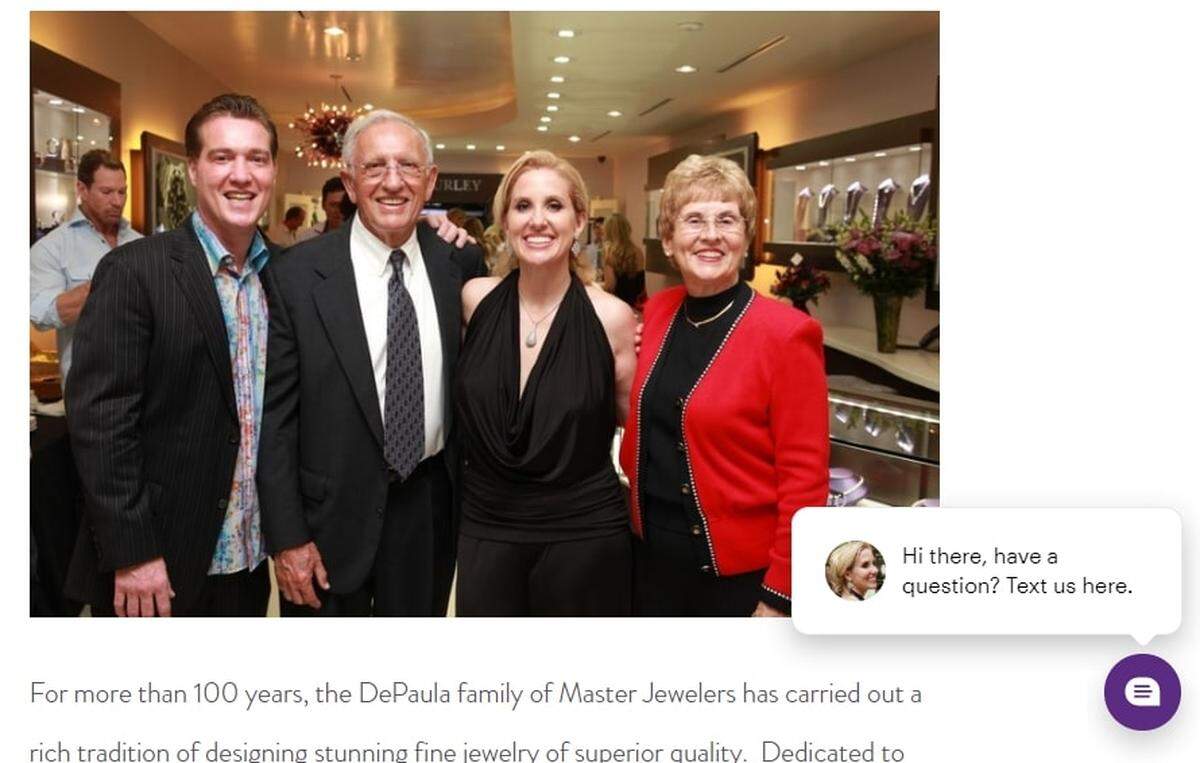
“I am able to help the community because people are going to be in need of some money to buy groceries or pay their bills,” said Charlotte DePaula, who owns the Pinecrest jeweler and appealed last week’s decision in order to be treated as a financial institution.
Her customers can apply for a credit card through her to finance repairs or purchase jewelry, and she is certified by the state for weighing gold. Until guidelines from health authorities change, she is allowing into the store just a single customer at a time and expects business to pick up.
“We had several people coming in to sell … I have no idea what to expect but I hope I can help people with their need for funds because this is an unprecedented time,” she said. “I’ve been in the community for 17 years. I have supported my community through that time and my heart’s desire is to provide a helpful service.”
This story was originally published March 23, 2020 at 7:20 PM.
_pp%20Cropped.jpg)